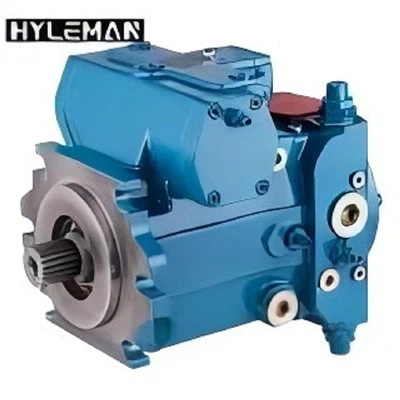
Can a piston pump handle viscous fluids? That's a question I get asked a lot as a piston pump supplier. And let me tell you, it's not a straightforward answer. In this blog, I'll break down the ins and outs of using piston pumps with viscous fluids, sharing my real - world experience and knowledge.
First off, let's understand what we mean by viscous fluids. Viscosity is basically a measure of a fluid's resistance to flow. Think of honey compared to water. Honey is much more viscous; it flows slowly and is thicker. Fluids like heavy oils, syrups, and some chemical solutions fall into the high - viscosity category.
Now, piston pumps are pretty versatile. They work by using pistons to create a reciprocating motion that draws in and then expels fluid. This mechanism gives them a lot of power and control. But when it comes to viscous fluids, there are some things to consider.
One of the main advantages of piston pumps when dealing with viscous fluids is their positive displacement nature. Positive displacement pumps move a fixed amount of fluid with each cycle. This means they can handle high - viscosity fluids better than some other types of pumps. For example, centrifugal pumps rely on the fluid's momentum and are less effective with thick fluids because the high viscosity reduces the fluid's ability to be thrown out by the impeller. Piston pumps, on the other hand, physically push the fluid through the system, so they can manage the resistance of viscous fluids.
However, using a piston pump with viscous fluids isn't without its challenges. One big issue is the increased power requirement. Since viscous fluids are harder to move, the pump has to work harder. This means you might need a more powerful motor to drive the piston pump. If you try to use a pump that's underpowered, it won't be able to move the fluid efficiently, and you could end up with reduced flow rates or even pump failure.
Another challenge is wear and tear. Viscous fluids can be more abrasive than thinner ones. As the piston moves back and forth through the thick fluid, there's more friction. This friction can cause the pump components, like the pistons, seals, and valves, to wear out faster. You need to use high - quality materials and proper lubrication to minimize this wear. For example, some piston pumps use ceramic or hardened steel pistons that can withstand the increased friction.
Let's talk about some specific applications. In the food industry, piston pumps are often used to handle thick substances like chocolate, peanut butter, and tomato paste. These fluids have a high viscosity, but the piston pump's positive displacement action can ensure a consistent flow. In the oil and gas industry, piston pumps are used for pumping heavy crude oil. The ability to handle high - pressure and high - viscosity fluids makes them a great choice for this application.


Now, if you're in the market for piston pump parts or repair kits, we've got some great options. Check out our Hitachi Em56 Hydraulic Pump Spare Parts. These parts are designed to keep your Hitachi pump running smoothly, even when dealing with viscous fluids. And for Nabtesco hydraulic piston pumps, our Quality GM05 - 07va/GM08 - 23/GM30h/GM35va/GM38vb Nabtesco Hydraulic Piston Repair Kits are top - notch. They'll help you maintain and repair your pumps to handle the toughest jobs. Also, if you're looking for a powerful axial piston pump, the Rexroth A7V Oil Pump Axial Piston Pump is a great option. It's built to handle high - pressure and high - viscosity applications.
When selecting a piston pump for viscous fluids, there are a few key factors to keep in mind. First, consider the viscosity of the fluid. You need to choose a pump with the right size and power to handle that specific viscosity. The temperature of the fluid also matters. Viscosity can change with temperature, so you need to know the operating temperature range of your fluid. A pump that works well at room temperature might not perform as well if the fluid is heated or cooled.
The flow rate you need is another important factor. If you have a high - volume application, you'll need a pump that can deliver the required flow rate. Piston pumps can be adjusted to change the flow rate, but you need to make sure the pump can handle the maximum flow rate you'll need.
In terms of maintenance, regular checks are crucial. You should inspect the pump components for wear, check the seals for leaks, and make sure the lubrication is sufficient. If you notice any signs of wear or reduced performance, it's important to address the issue right away. This could mean replacing a worn - out piston or a damaged seal.
So, can a piston pump handle viscous fluids? The answer is yes, but with some considerations. Piston pumps have the ability to move high - viscosity fluids due to their positive displacement nature. However, you need to account for the increased power requirements, wear and tear, and other challenges. By choosing the right pump, using high - quality parts, and performing regular maintenance, you can successfully use piston pumps with viscous fluids in a variety of applications.
If you're interested in learning more about piston pumps for viscous fluids or need help selecting the right pump or parts for your application, don't hesitate to reach out. We're here to help you make the best decision for your pumping needs. Whether you're in the food, oil and gas, or any other industry that deals with viscous fluids, we've got the expertise and products to keep your operations running smoothly.
References
- "Pump Handbook" by Igor Karassik et al.
- Industry reports on piston pump applications in high - viscosity fluid handling.