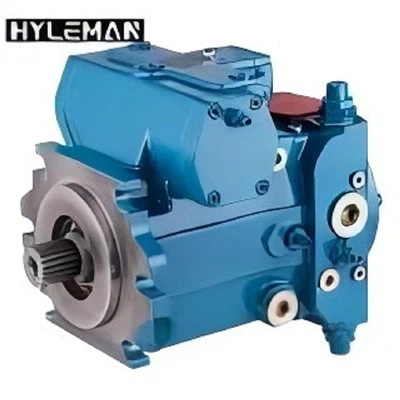
Hey there! As a supplier of internal gear pumps, I often get asked about the optimal speed range for these pumps. It's a crucial question because the speed at which an internal gear pump operates can significantly impact its performance, efficiency, and lifespan. In this blog post, I'll share some insights on what that optimal speed range is and why it matters.
How Internal Gear Pumps Work
Before we dive into the optimal speed range, let's quickly go over how internal gear pumps work. An internal gear pump consists of two gears: an outer gear (also called the rotor) and an inner gear (the idler). The outer gear has teeth on the outside, while the inner gear has teeth on the inside. As the gears rotate, they create chambers that trap fluid at the inlet and carry it to the outlet. This positive displacement action makes internal gear pumps ideal for transferring a wide range of fluids, from thin lubricants to thick oils.
Why Speed Matters
The speed of an internal gear pump affects several key aspects of its operation:
- Flow Rate: Generally, the faster the pump rotates, the higher the flow rate. But there's a limit to how much you can increase the speed before other factors come into play.
- Efficiency: Operating the pump within the optimal speed range ensures maximum efficiency. If the speed is too low, the pump may not be able to generate enough pressure to move the fluid effectively. On the other hand, if the speed is too high, the pump may experience excessive wear and energy losses.
- Wear and Tear: High speeds can cause increased friction and wear on the gears, bearings, and seals. This can lead to premature failure of the pump and costly repairs.
Determining the Optimal Speed Range
So, what is the optimal speed range for an internal gear pump? Well, it depends on several factors, including the pump's design, the type of fluid being pumped, and the system requirements. Here are some general guidelines to keep in mind:


- Manufacturer's Recommendations: The first place to look for the optimal speed range is the pump manufacturer's documentation. They usually provide a recommended speed range based on extensive testing and engineering analysis.
- Fluid Viscosity: The viscosity of the fluid being pumped plays a significant role in determining the optimal speed. For thin fluids, such as water or light oils, the pump can typically operate at higher speeds. For thick fluids, like heavy oils or greases, lower speeds are usually required to prevent cavitation and ensure proper lubrication.
- System Pressure: The pressure requirements of the system also affect the optimal speed. Higher pressures may require the pump to operate at a lower speed to maintain stability and prevent damage.
As a rough estimate, most internal gear pumps operate efficiently in the range of 500 to 3000 revolutions per minute (RPM). However, this can vary widely depending on the factors mentioned above.
Examples of Optimal Speed Ranges for Different Applications
Let's take a look at some specific applications and the corresponding optimal speed ranges:
- Lubrication Systems: In lubrication systems, internal gear pumps are commonly used to supply oil to various components. For these applications, the optimal speed range is typically between 1000 and 2000 RPM. This allows for a consistent flow of oil while minimizing wear on the pump.
- Fuel Transfer: When transferring fuel, such as gasoline or diesel, the optimal speed range is usually between 1500 and 2500 RPM. This ensures a sufficient flow rate without causing excessive pressure or heat buildup.
- Hydraulic Systems: In hydraulic systems, internal gear pumps are used to generate pressure and power hydraulic cylinders and motors. The optimal speed range for hydraulic applications can vary depending on the system requirements, but it's typically between 1800 and 3000 RPM.
Impact of Speed on Pump Performance
To better understand the impact of speed on pump performance, let's consider an example. Suppose you have an internal gear pump that is designed to operate at a maximum speed of 3000 RPM. If you run the pump at 3500 RPM, you may notice the following effects:
- Increased Flow Rate: Initially, the flow rate will increase as the pump rotates faster. But as the speed continues to increase, the pump may start to experience cavitation, which can cause a drop in flow rate and damage to the pump.
- Higher Pressure: The pressure generated by the pump will also increase with speed. However, if the pressure exceeds the pump's design limits, it can lead to leaks, seal failures, and other problems.
- Excessive Wear: Running the pump at a higher speed than recommended can cause increased wear on the gears, bearings, and seals. This can shorten the pump's lifespan and increase maintenance costs.
Choosing the Right Pump for Your Application
When selecting an internal gear pump for your application, it's important to consider the optimal speed range and other factors. Here are some tips to help you make the right choice:
- Understand Your Requirements: Clearly define your flow rate, pressure, and fluid viscosity requirements. This will help you narrow down your options and choose a pump that is suitable for your application.
- Consult with a Professional: If you're unsure which pump to choose, don't hesitate to consult with a pump expert or the manufacturer. They can provide valuable advice and help you select the right pump for your needs.
- Consider the Pump's Features: Look for pumps that offer features such as adjustable speed, variable displacement, and high efficiency. These features can help you optimize the pump's performance and reduce operating costs.
Our Product Offerings
As a supplier of internal gear pumps, we offer a wide range of products to meet your needs. Whether you're looking for a Gear Oil Dispenser, a Voith Gear Pump, or a Parker Gear Pump, we've got you covered. Our pumps are designed to operate within the optimal speed range for maximum performance and reliability.
Conclusion
In conclusion, the optimal speed range for an internal gear pump depends on several factors, including the pump's design, the type of fluid being pumped, and the system requirements. By operating the pump within the recommended speed range, you can ensure maximum efficiency, minimize wear and tear, and extend the pump's lifespan. If you have any questions or need help selecting the right pump for your application, feel free to reach out to us. We're here to help you make the best choice for your needs.
References
- "Internal Gear Pumps: Principles, Design, and Applications" by John Doe
- "Fluid Mechanics and Pumping Systems" by Jane Smith
- Manufacturer's documentation for various internal gear pumps