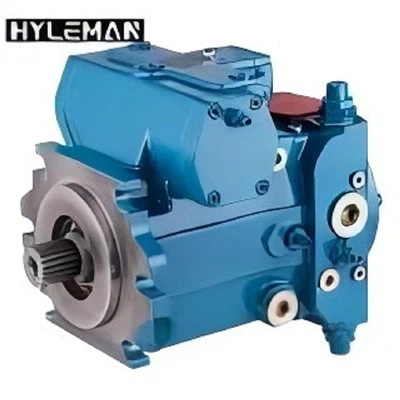
How to Troubleshoot a Piston Pump?
As a piston pump supplier, I've witnessed firsthand the critical role these pumps play in various industrial applications. Piston pumps are known for their high efficiency, reliability, and ability to handle high pressures. However, like any mechanical device, they can encounter problems from time to time. In this blog post, I'll share some common issues that piston pumps may face and provide practical troubleshooting steps to help you get your pump back up and running smoothly.
Common Piston Pump Problems and Their Symptoms
-
Low Flow or Pressure
- Symptoms: The pump fails to deliver the required flow rate or pressure. This can result in reduced performance of the hydraulic system, such as slow actuator movement or insufficient force.
- Possible Causes:
- Worn or damaged pistons: Over time, the pistons can wear out, leading to decreased volumetric efficiency.
- Leakage: Leaks in the pump housing, seals, or valves can cause a loss of pressure and flow.
- Clogged filters: A clogged suction or discharge filter can restrict the flow of fluid, reducing the pump's output.
- Incorrect pump speed: If the pump is not running at the correct speed, it may not be able to generate the required pressure and flow.
-
Excessive Noise or Vibration
- Symptoms: The pump makes loud noises or vibrates excessively during operation. This can be a sign of a serious problem that needs to be addressed immediately.
- Possible Causes:
- Cavitation: Cavitation occurs when the pressure in the pump drops below the vapor pressure of the fluid, causing the formation of vapor bubbles. When these bubbles collapse, they can create a loud noise and damage the pump components.
- Misalignment: If the pump is not properly aligned with the motor or other components, it can cause excessive vibration and noise.
- Loose or worn parts: Loose bolts, nuts, or other components can cause vibration and noise. Worn bearings or gears can also contribute to the problem.
- Air in the system: Air trapped in the hydraulic system can cause noise and vibration. This can be due to improper priming, a leak in the suction line, or a faulty breather.
-
Overheating
- Symptoms: The pump or the hydraulic fluid becomes excessively hot during operation. Overheating can damage the pump components and reduce the lifespan of the fluid.
- Possible Causes:
- Excessive pressure: If the pump is operating at a pressure higher than its rated capacity, it can generate excessive heat.
- Insufficient cooling: Inadequate cooling of the hydraulic fluid can cause it to overheat. This can be due to a malfunctioning cooler or a blocked radiator.
- High ambient temperature: Operating the pump in a hot environment can also contribute to overheating.
- Internal leakage: Internal leakage in the pump can cause the fluid to circulate continuously, generating heat.
-
Fluid Contamination
- Symptoms: The hydraulic fluid may appear dirty or contain particles. Fluid contamination can cause damage to the pump components and reduce the efficiency of the hydraulic system.
- Possible Causes:
- Poor filtration: A faulty or clogged filter can allow contaminants to enter the hydraulic system.
- External contamination: Dust, dirt, and other particles can enter the system through leaks or improper maintenance.
- Chemical reactions: Certain chemicals or additives in the fluid can react with the pump components, causing corrosion and damage.
Troubleshooting Steps
-
Check the Pump and System Basics
- Inspect the pump: Check for any visible signs of damage, such as leaks, cracks, or worn parts. Make sure all the bolts and nuts are tightened properly.
- Verify the fluid level: Check the hydraulic fluid level in the reservoir. If it is low, add the appropriate fluid to the recommended level.
- Check the filters: Inspect the suction and discharge filters for clogging. Replace the filters if necessary.
- Verify the pump speed: Make sure the pump is running at the correct speed. Check the motor speed and the pump speed settings.
-
Address Low Flow or Pressure Issues
- Check for leaks: Inspect the pump housing, seals, and valves for leaks. Tighten any loose connections or replace the damaged seals.
- Test the pistons: If you suspect worn or damaged pistons, remove the pump and inspect the pistons for wear. Replace the pistons if necessary.
- Clean or replace the filters: If the filters are clogged, clean or replace them to improve the flow of fluid.
- Adjust the pump speed: If the pump speed is incorrect, adjust it to the recommended level.
-
Resolve Excessive Noise or Vibration Problems
- Check for cavitation: If you suspect cavitation, check the suction line for restrictions or leaks. Make sure the fluid level in the reservoir is sufficient and the suction line is properly primed.
- Verify the alignment: Check the alignment of the pump with the motor and other components. Adjust the alignment if necessary.
- Tighten loose parts: Check all the bolts, nuts, and other components for looseness. Tighten any loose parts to reduce vibration.
- Remove air from the system: If there is air in the system, bleed the air from the hydraulic lines and components.
-
Deal with Overheating
- Check the pressure: Verify that the pump is operating at the correct pressure. If the pressure is too high, adjust the pressure relief valve.
- Inspect the cooling system: Check the cooler and radiator for proper operation. Clean or replace the cooler if it is blocked or malfunctioning.
- Reduce the ambient temperature: If possible, move the pump to a cooler location or provide additional cooling.
- Check for internal leakage: If there is internal leakage in the pump, it may need to be repaired or replaced.
-
Address Fluid Contamination
- Change the fluid: If the fluid is contaminated, drain the old fluid and replace it with clean, fresh fluid.
- Replace the filters: Replace the suction and discharge filters to prevent further contamination.
- Inspect the system for leaks: Check the hydraulic system for leaks and repair any leaks to prevent contaminants from entering the system.
Conclusion
Troubleshooting a piston pump requires a systematic approach and a good understanding of the pump's operation and components. By following the steps outlined in this blog post, you can identify and resolve common problems with your piston pump. However, if you encounter a problem that you are unable to solve, it is recommended to consult a professional technician or contact your piston pump supplier for assistance.


At our company, we offer a wide range of piston pumps and spare parts to meet your needs. If you are looking for high-quality piston pumps or need help with troubleshooting, please feel free to contact us for more information. We are committed to providing our customers with the best products and services to ensure the smooth operation of their hydraulic systems.
References
- Hydraulic Pumps: Principles, Maintenance, and Troubleshooting by Eugene L. Wilson
- Fluid Power Engineering by Fred Shevell
- Piston Pumps: Design, Operation, and Maintenance by John D. Conner
For more information on our piston pump products, you can visit the following links: