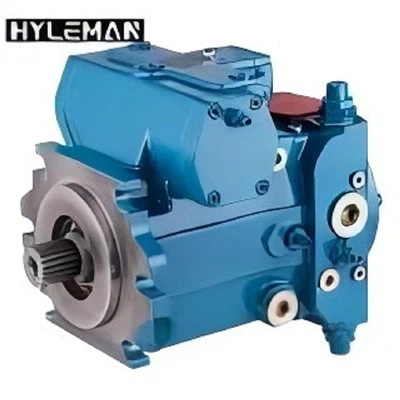
Hey there! As a supplier of Radial Piston Pumps, I've been keeping a close eye on the industry and thinking a lot about where things are headed. In this blog, I'm gonna share my thoughts on the future development trends of radial piston pumps.
First off, let's talk about efficiency. Efficiency has always been a big deal in the pump industry, and it's only going to become more important in the future. Radial piston pumps are already known for their high efficiency, but there's always room for improvement. Manufacturers are constantly working on new technologies to reduce energy consumption and increase the overall efficiency of these pumps. For example, the use of advanced materials and coatings can help to reduce friction and wear, which in turn can improve the pump's efficiency and lifespan. Another trend is the development of more efficient motor controls. By using variable speed drives and smart control systems, pumps can be adjusted to operate at the most efficient speed for a given application. This not only saves energy but also reduces wear and tear on the pump, leading to lower maintenance costs.
Next up is the trend towards miniaturization. With the increasing demand for smaller and more compact hydraulic systems, there's a growing need for radial piston pumps that are smaller in size but still offer high performance. Manufacturers are working on developing new designs and technologies to reduce the size and weight of radial piston pumps without sacrificing their efficiency or performance. This is especially important in applications where space is limited, such as in mobile equipment and industrial machinery. Miniaturized radial piston pumps can also offer other benefits, such as lower noise levels and reduced vibration. These pumps are often used in applications where noise and vibration can be a problem, such as in medical equipment and food processing machinery.


Another important trend in the future of radial piston pumps is the integration of digital technologies. As the world becomes more connected, pumps are also becoming smarter. Manufacturers are incorporating sensors and monitoring systems into radial piston pumps to collect data on their performance, such as pressure, temperature, and flow rate. This data can then be analyzed to identify potential problems before they occur, allowing for proactive maintenance and reducing downtime. In addition to monitoring, digital technologies are also being used to control and optimize the operation of radial piston pumps. For example, smart control systems can adjust the pump's speed and pressure based on the demand of the system, ensuring that it operates at the most efficient level possible. This not only saves energy but also improves the overall performance of the hydraulic system.
The demand for environmentally friendly products is also driving the development of radial piston pumps. As more and more companies are looking to reduce their carbon footprint and comply with environmental regulations, there's a growing need for pumps that are more energy-efficient and use less oil. Manufacturers are working on developing new technologies to reduce the environmental impact of radial piston pumps, such as using biodegradable oils and reducing the amount of oil leakage. Another trend is the use of renewable energy sources to power radial piston pumps. For example, solar-powered pumps are becoming increasingly popular in applications where there's a limited access to electricity. These pumps can be used in remote areas for irrigation, water supply, and other applications.
Now, let's talk about some of the specific applications where radial piston pumps are likely to see growth in the future. One area is the renewable energy sector. As the demand for clean energy continues to grow, there's a need for more efficient and reliable pumps to be used in wind turbines, solar power plants, and hydroelectric power plants. Radial piston pumps are well-suited for these applications because of their high efficiency, reliability, and ability to operate at high pressures. Another area where radial piston pumps are likely to see growth is in the automotive industry. With the increasing demand for electric and hybrid vehicles, there's a need for more efficient and compact hydraulic systems to be used in braking, steering, and suspension systems. Radial piston pumps can offer the high performance and reliability that these applications require.
In the industrial sector, radial piston pumps are also likely to be used in a wide range of applications. For example, they can be used in machine tools, presses, and other industrial equipment to provide high-pressure hydraulic power. They can also be used in the food and beverage industry for pumping liquids and slurries, and in the pharmaceutical industry for metering and dosing applications.
If you're in the market for radial piston pumps or are interested in learning more about our products, I'd love to hear from you. We offer a wide range of Radial Piston Pumps that are designed to meet the needs of various applications. Our pumps are known for their high quality, reliability, and efficiency. We also offer excellent customer service and technical support to ensure that you get the most out of your pumps.
If you're specifically interested in Linde hydraulic pumps, you can check out our Linde Hydraulic Plunger Pump page. And for those who need a variable displacement axial piston pump like the Parker PV PV020 PV023 PV028, we have detailed information on our Parker PV PV020 PV023 PV028 Variable Displacement Axial Piston Pump Plunger Pump Hydraulic Pump For Excavator page.
Whether you have questions about our products, need help with installation or maintenance, or are ready to place an order, don't hesitate to reach out. We're here to help you find the right pump solution for your needs and ensure that you have a smooth and successful experience.
References
- Industry reports on hydraulic pump technology
- Research papers on energy efficiency in pump systems
- Manufacturer's specifications and product literature