Hey there! As a supplier of servo motors, I often get asked about the back-EMF of a servo motor. So, I thought I'd take a few minutes to break it down for you.
What is Back-EMF?
Let's start with the basics. Back-EMF, or back electromotive force, is a voltage that's generated in a servo motor when it's rotating. This voltage is created by the motor's magnetic field interacting with the moving conductors in the motor's windings. It's called "back" EMF because the voltage opposes the applied voltage that's driving the motor.
Think of it like this: when you try to push a heavy object, it resists your push. In a servo motor, the back-EMF is like that resistance. It's a natural consequence of the motor's operation and plays a crucial role in how the motor behaves.
How Does Back-EMF Work?
When you apply a voltage to a servo motor, it causes the motor to start rotating. As the motor spins, the magnetic field in the motor cuts across the conductors in the windings. This cutting action induces an electromotive force, or voltage, in the windings. According to Faraday's law of electromagnetic induction, the magnitude of this induced voltage is proportional to the rate of change of the magnetic flux through the windings.
The back-EMF voltage is directly related to the speed of the motor. The faster the motor spins, the higher the back-EMF voltage. This relationship is linear, which means that if you double the speed of the motor, the back-EMF voltage will also double.
Why is Back-EMF Important?
Back-EMF is important for several reasons. Firstly, it acts as a natural speed regulator for the servo motor. When the motor is running at a constant speed, the back-EMF voltage opposes the applied voltage. This opposition reduces the net voltage across the motor's windings, which in turn reduces the current flowing through the windings. As the current decreases, the motor's torque also decreases, which helps to maintain a stable speed.
Secondly, back-EMF can be used to measure the speed of the motor. By measuring the back-EMF voltage, you can calculate the speed of the motor using the linear relationship between back-EMF and speed. This is a simple and effective way to monitor the motor's performance.
Finally, back-EMF can be used in servo control systems. In a servo system, the back-EMF voltage can be compared to a reference voltage. If the back-EMF voltage is higher than the reference voltage, it means that the motor is running too fast. The control system can then adjust the applied voltage to slow down the motor. Conversely, if the back-EMF voltage is lower than the reference voltage, it means that the motor is running too slow, and the control system can increase the applied voltage to speed up the motor.
Back-EMF and Power Consumption
Back-EMF also has an impact on the power consumption of a servo motor. When the motor is running at a high speed, the back-EMF voltage is high, which reduces the net voltage across the motor's windings. As a result, the current flowing through the windings is also reduced, which means that the motor consumes less power.
On the other hand, when the motor is starting up or operating at a low speed, the back-EMF voltage is low. This means that the net voltage across the windings is high, and the current flowing through the windings is also high. As a result, the motor consumes more power during these periods.
Real-World Applications
Back-EMF is used in a wide range of real-world applications. For example, in robotics, servo motors are used to control the movement of robot arms and joints. The back-EMF of these motors is used to ensure that the robot moves smoothly and accurately.
In industrial automation, servo motors are used to control the speed and position of conveyor belts, machine tools, and other equipment. The back-EMF of these motors is used to maintain a stable speed and to prevent the motor from overheating.
Our Servo Motors
As a servo motor supplier, we offer a wide range of high-quality servo motors that are designed to meet the needs of various applications. Our motors are known for their high efficiency, reliability, and performance.
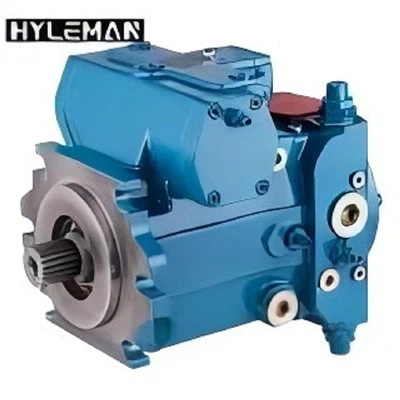
One of our popular products is the High Torque Physis Hydraulic Servo Motor. This motor is designed to provide high torque and precise control, making it ideal for applications that require high power and accuracy.
We also offer a range of Servo Drivers and Motors that are designed to work together seamlessly. Our servo drivers are designed to provide precise control of the motor's speed and position, while our motors are designed to provide high torque and efficiency.

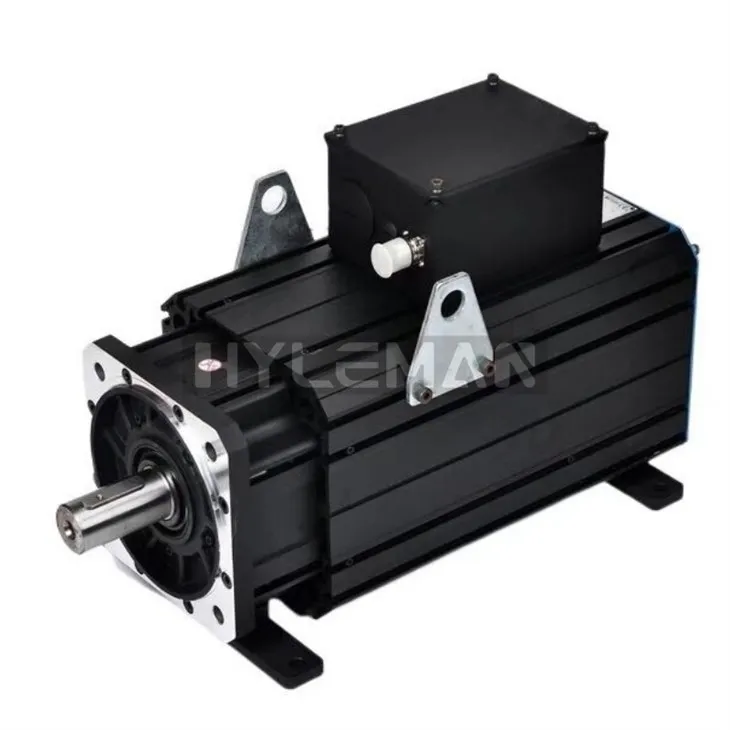
In addition, we have a Hydraulic Servomotor in Control System that is designed to provide precise control in hydraulic control systems. This motor is known for its high performance and reliability, making it ideal for applications that require high precision and stability.
Contact Us for Purchasing
If you're in the market for a servo motor, we'd love to hear from you. Our team of experts can help you choose the right motor for your application and can provide you with all the information you need to make an informed decision. Whether you're a small business or a large industrial company, we have the products and services to meet your needs. So, don't hesitate to reach out and start a conversation with us. We're here to help you find the best servo motor solution for your project.
References
- Fitzgerald, A. E., Kingsley, C., & Umans, S. D. (2003). Electric Machinery (6th ed.). McGraw-Hill.
- Chapman, S. J. (2012). Electric Machinery Fundamentals (5th ed.). McGraw-Hill.
- Krause, P. C., Wasynczuk, O., Sudhoff, S. D., & Pekarek, S. D. (2013). Analysis of Electric Machinery and Drive Systems (3rd ed.). Wiley.