Can a Variable Piston Pump be Used in Low - Pressure Systems?
As a supplier of variable piston pumps, I often get asked whether these pumps can be effectively used in low - pressure systems. This question is crucial as it helps customers make informed decisions about the most suitable hydraulic components for their applications. In this blog, I will explore the feasibility of using variable piston pumps in low - pressure systems, considering their characteristics, advantages, and limitations.
Understanding Variable Piston Pumps
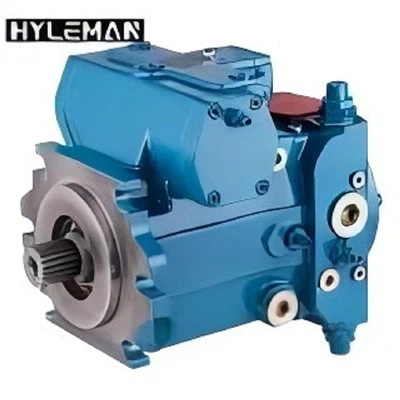
Variable piston pumps are a type of hydraulic pump that can adjust the displacement of fluid per revolution. This adjustability is one of their key features, allowing them to adapt to different operating conditions. They work by changing the angle of the swashplate or the stroke of the pistons, which in turn varies the volume of fluid pumped. This makes them highly versatile and suitable for a wide range of applications, from high - pressure industrial machinery to mobile hydraulic systems.
Characteristics of Low - Pressure Systems
Low - pressure systems typically operate at pressures below 1000 psi (pounds per square inch). These systems are commonly found in applications such as small - scale manufacturing equipment, agricultural machinery, and some types of mobile hydraulic tools. The requirements for low - pressure systems often include simplicity, energy efficiency, and cost - effectiveness.
Feasibility of Using Variable Piston Pumps in Low - Pressure Systems
- Flow Control Capability
One of the main advantages of variable piston pumps is their excellent flow control. In low - pressure systems, the ability to precisely control the flow rate is often essential. For example, in a small - scale manufacturing process where a consistent and adjustable flow of hydraulic fluid is required to operate a conveyor belt or a simple robotic arm, a variable piston pump can provide the necessary flow control. By adjusting the displacement, the pump can deliver the exact amount of fluid needed, which helps in optimizing the performance of the system. - Energy Efficiency
Variable piston pumps can be energy - efficient in low - pressure systems. Since they can adjust their displacement according to the system's demand, they consume less power when the system requires less flow. This is in contrast to fixed - displacement pumps, which continue to pump at a constant rate regardless of the actual demand, leading to energy wastage. In a low - pressure system where energy costs are a concern, the energy - saving feature of variable piston pumps can be a significant advantage. - System Flexibility
Low - pressure systems may need to adapt to different operating conditions over time. For instance, an agricultural machine may need to perform different tasks such as plowing, seeding, and harvesting, each requiring a different flow rate and pressure. A variable piston pump can easily adjust to these changing requirements, providing the system with the flexibility it needs. This adaptability can extend the lifespan of the system and reduce the need for frequent pump replacements.
Limitations and Considerations
- Cost
Variable piston pumps are generally more expensive than fixed - displacement pumps. The additional cost is due to their complex design and the need for more sophisticated control mechanisms. In low - pressure systems where cost is a major factor, the higher upfront cost of a variable piston pump may be a deterrent. However, it is important to consider the long - term benefits such as energy savings and system flexibility when evaluating the cost - effectiveness. - Complexity
The design of variable piston pumps is more complex compared to other types of pumps. This complexity can lead to higher maintenance requirements and a steeper learning curve for operators. In low - pressure systems where simplicity is preferred, the complexity of a variable piston pump may be a drawback. However, with proper training and maintenance, these issues can be managed effectively.
Comparison with Other Pump Types in Low - Pressure Systems
- Gear Pumps
Gear pumps are a common choice for low - pressure systems due to their simplicity and low cost. They are reliable and easy to maintain. However, they lack the flow control and energy - efficiency features of variable piston pumps. In applications where precise flow control and energy savings are important, a variable piston pump may be a better option. - Vane Pumps
Vane pumps are also used in low - pressure systems. They offer better flow control than gear pumps but are still not as adjustable as variable piston pumps. Vane pumps are generally less expensive than variable piston pumps but may not provide the same level of performance in terms of energy efficiency and system flexibility.
Real - World Examples of Variable Piston Pumps in Low - Pressure Systems
- Small - Scale Manufacturing
In a small - scale manufacturing facility, a variable piston pump can be used to power a hydraulic press. The pump can adjust the flow rate according to the different stages of the pressing process, ensuring precise control and energy efficiency. This helps in reducing production costs and improving the quality of the manufactured products. - Agricultural Equipment
On a farm, a variable piston pump can be installed in a tractor's hydraulic system. The pump can adapt to different tasks such as operating the front - end loader, the hydraulic brakes, and the power take - off (PTO) system. This allows the tractor to perform various functions efficiently, reducing fuel consumption and increasing productivity.
Conclusion
In conclusion, variable piston pumps can be used in low - pressure systems, offering several advantages such as flow control, energy efficiency, and system flexibility. However, their higher cost and complexity need to be carefully considered. For applications where precise control, energy savings, and adaptability are important, variable piston pumps are a viable option.
If you are considering using a variable piston pump in your low - pressure system, or if you have any questions about our High Pressure Plunger Pump, Rexroth Hydraulic Plunger Pump, or Linde Hydraulic Plunger Pump, please feel free to contact us for more information and to discuss your specific requirements. We are here to help you find the best hydraulic solution for your needs.

References
- Hydraulic Pumps and Motors Handbook, by John F. Watson
- Fluid Power Engineering, by Anthony Esposito
- Modern Hydraulic Systems, by David Crolla