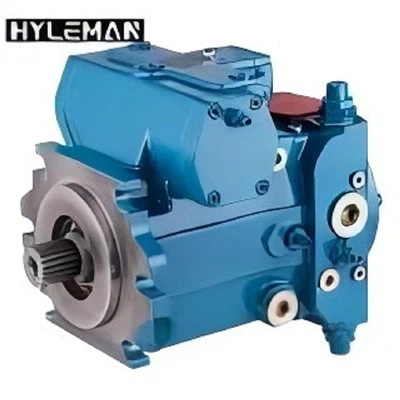
Challenges in Using a Servo Hydraulic Pump
As a supplier of Servo Hydraulic Pumps, I've witnessed firsthand the many benefits these systems bring to various industries. However, like any technology, they come with their own set of challenges. In this blog, I'll explore some of the key challenges faced when using a Servo Hydraulic Pump and offer insights on how to overcome them.
1. High Initial Cost
One of the most significant challenges associated with servo hydraulic pumps is their high initial cost. These pumps are more expensive than traditional hydraulic pumps due to the advanced technology and precision components they incorporate. The servo motor, which is a critical part of the system, is more costly than standard motors. Additionally, the control systems required to operate the servo hydraulic pump accurately add to the overall cost.
For many businesses, especially small and medium-sized enterprises, the high upfront investment can be a deterrent. However, it's important to consider the long - term benefits. Servo hydraulic pumps offer higher energy efficiency, better control, and reduced maintenance costs over their lifespan. This means that, in the long run, the return on investment can be quite substantial. To mitigate the impact of the high initial cost, businesses can explore financing options or consider the total cost of ownership rather than just the purchase price.
2. Complexity of Installation and Setup
Installing and setting up a servo hydraulic pump is a complex process. It requires a high level of technical expertise and knowledge of hydraulic systems. The pump needs to be properly aligned, and the control system must be calibrated accurately to ensure optimal performance. Any errors during the installation or setup can lead to sub - optimal operation, increased wear and tear, and even system failures.
To address this challenge, it's crucial to work with experienced technicians or engineers who are familiar with servo hydraulic systems. Many suppliers, including ours, offer installation and commissioning services to ensure that the pump is installed correctly and operating at its best. Additionally, providing comprehensive training to the end - users can help them understand the system and perform basic maintenance tasks.
3. Maintenance Requirements
Servo hydraulic pumps have specific maintenance requirements that need to be met to ensure their longevity and reliable operation. The servo motor, for example, requires regular inspection and maintenance to prevent overheating and ensure proper functioning. The hydraulic fluid also needs to be monitored and changed at regular intervals to prevent contamination and ensure efficient operation.
The complexity of the system means that maintenance tasks can be more challenging compared to traditional hydraulic pumps. For instance, the control system may require software updates to improve performance and address any bugs. Moreover, finding replacement parts for servo hydraulic pumps can be more difficult and expensive due to their specialized nature.
To overcome these maintenance challenges, it's important to develop a comprehensive maintenance plan. This plan should include regular inspections, fluid analysis, and component replacement schedules. Working closely with the pump supplier can also help in getting access to genuine parts and technical support.


4. Compatibility Issues
Another challenge is ensuring compatibility between the servo hydraulic pump and other components in the hydraulic system. The pump needs to be compatible with the hydraulic fluid, valves, and other equipment in the system. Incompatibility can lead to issues such as leaks, reduced performance, and premature component failure.
For example, if the hydraulic fluid has the wrong viscosity, it can affect the pump's efficiency and cause excessive wear. Similarly, if the valves are not properly sized or rated, they may not work in harmony with the pump, leading to pressure fluctuations and other problems.
To address compatibility issues, it's essential to carefully select all components based on the specifications of the servo hydraulic pump. Consulting with the pump supplier or a hydraulic system expert can help in making the right choices and ensuring a seamless integration of all components.
5. Technical Expertise Requirements
Operating and maintaining a servo hydraulic pump requires a certain level of technical expertise. The control systems of these pumps are often complex, and operators need to have a good understanding of how they work. This includes knowledge of programming, troubleshooting, and system optimization.
In many industries, finding skilled technicians with the necessary knowledge of servo hydraulic systems can be a challenge. Training existing employees can be time - consuming and costly. However, investing in training is essential to ensure that the system is operated and maintained correctly.
Some suppliers, like us, offer training programs for end - users. These programs cover topics such as system operation, maintenance, and troubleshooting. By providing this training, we help our customers overcome the technical expertise challenge and get the most out of their servo hydraulic pumps.
6. Energy Management
While servo hydraulic pumps are known for their energy efficiency, managing energy consumption effectively can still be a challenge. The pump's performance needs to be optimized to ensure that it uses the minimum amount of energy while still meeting the system's requirements.
Factors such as load variations, system pressure, and flow rate can all affect the energy consumption of the pump. For example, if the pump is operating at a higher pressure than necessary, it will consume more energy. To address this, advanced control algorithms can be used to adjust the pump's operation based on the actual demand.
Monitoring the energy consumption of the pump and implementing energy - saving measures can help in reducing operating costs. This may include using variable speed drives, optimizing the system's pressure settings, and implementing energy - management strategies.
7. Noise and Vibration
Servo hydraulic pumps can generate noise and vibration during operation. This can be a concern, especially in environments where noise levels need to be kept to a minimum, such as in some manufacturing facilities or laboratories.
The noise and vibration can be caused by various factors, including the pump's design, the quality of the components, and the operating conditions. Excessive noise and vibration can not only be a nuisance but also lead to premature wear and tear of the pump and other components.
To reduce noise and vibration, proper installation techniques can be used, such as using vibration - isolating mounts. Additionally, selecting high - quality components and ensuring proper alignment can help in minimizing these issues.
In conclusion, while servo hydraulic pumps offer many advantages, they also present several challenges. However, with proper planning, technical expertise, and support from a reliable supplier, these challenges can be overcome. If you're considering using a Servo Hydraulic Pump for your application, we're here to help. Our team of experts can provide you with the guidance and support you need to ensure a successful implementation. Whether you need assistance with installation, maintenance, or troubleshooting, we're committed to helping you get the most out of your servo hydraulic system. If you're interested in learning more or discussing your specific requirements, we encourage you to reach out to us for a procurement discussion.
References
- Hydraulic Systems Handbook, various authors
- Servo Motor and Control System Manuals