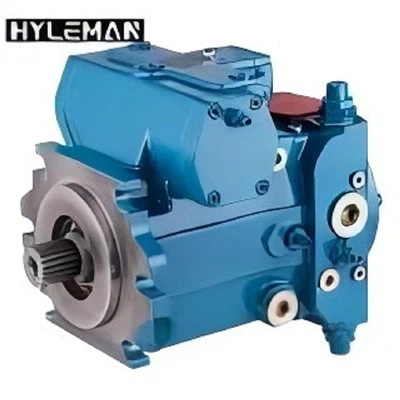
Hey there! As a piston pump supplier, I often get asked how a piston pump interacts with the piping system. It's a crucial topic because the way these two components work together can make or break the efficiency and performance of an entire fluid transfer system. So, let's dive right in and explore this connection.


First off, what exactly is a piston pump? You can think of it as a workhorse in the world of fluid pumping. It uses pistons that move back and forth inside cylinders to create pressure and move fluids. There are different types of piston pumps, like axial piston pumps and radial piston pumps, but they all share this basic principle of piston - driven fluid movement.
Now, let's talk about the piping system. The piping system is like the circulatory system for the fluids being pumped. It's a network of pipes, valves, and fittings that carry the fluid from the source to the point of use. The interaction between the piston pump and the piping system starts right from the moment the pump begins to operate.
One of the first things to consider is the flow rate. The piston pump is designed to move a certain volume of fluid per unit of time. This flow rate needs to be compatible with the capacity of the piping system. If the pump is pushing out fluid at a rate that's too high for the pipes to handle, it can cause a lot of problems. For example, excessive pressure can build up, leading to leaks, burst pipes, or even damage to the pump itself. On the other hand, if the flow rate is too low, the system may not be able to meet the demand, resulting in inefficiencies.
To get a better understanding of the flow rate requirements, you need to look at the application. For instance, in industrial manufacturing processes like the ones using an Automatic Cold Heading Machine Economical Parts Forming Machinery, a consistent and appropriate flow rate is essential for accurate and efficient production. If the piston pump can't deliver the right amount of fluid to the machine at the right time, the entire manufacturing process can be disrupted.
Another important aspect is pressure. The piston pump creates pressure to move the fluid through the pipes. The piping system has to be designed to withstand this pressure. Different types of pipes and joints have different pressure ratings. For high - pressure applications, you'll need pipes made of strong materials like steel or heavy - duty plastics. If the pressure in the system exceeds the rating of the pipes, it's a recipe for disaster.
Let's say you're using an A4vfo Series Rexroth Hydraulic Horizontal Piston Pump. This pump is known for its high - pressure capabilities. When integrating it into a piping system, you have to make sure that every part of the piping, from the main pipes to the smallest fittings, can handle the pressure generated by the pump. Otherwise, you might end up with a leaky or damaged system.
The layout of the piping system also plays a big role in how it interacts with the piston pump. A well - designed piping layout minimizes resistance to fluid flow. Bends, elbows, and narrow sections in the pipes can cause the fluid to slow down and create turbulence. This turbulence not only reduces the efficiency of the system but also puts extra stress on the pump. The pump has to work harder to overcome the resistance, which can lead to increased wear and tear and higher energy consumption.
For example, if the pipes are too long or have too many sharp bends, the piston pump will have to use more power to maintain the desired flow rate. This is not only costly in terms of energy but can also shorten the lifespan of the pump. So, when designing the piping system, it's important to keep the layout as simple and straight as possible.
Valves are another key component of the piping system that interacts with the piston pump. Valves can control the flow of fluid, regulate the pressure, and even prevent backflow. For instance, a check valve can be installed to make sure that the fluid only flows in one direction. This is crucial for the proper operation of the piston pump, as backflow can cause damage to the pump's internal components.
In addition to check valves, there are also control valves that can adjust the flow rate and pressure in the system. These valves can be automated or manually operated, depending on the requirements of the application. By using the right valves in the piping system, you can optimize the performance of the piston pump and ensure that the fluid is being delivered exactly where it's needed, when it's needed.
Now, let's touch on the issue of maintenance. Both the piston pump and the piping system require regular maintenance to keep them in good working condition. For the pump, this might involve checking the pistons, seals, and bearings for wear and tear, and replacing them as needed. For the piping system, it could mean inspecting the pipes for leaks, corrosion, and blockages.
A well - maintained system not only runs more efficiently but also has a longer lifespan. If you neglect maintenance, small problems can quickly turn into big ones. For example, a small leak in the piping can lead to a loss of fluid, which can then cause the pump to overheat and fail. So, make sure to have a regular maintenance schedule in place for both the piston pump and the piping system.
When it comes to spare parts, having access to high - quality replacements is essential. If a part in the piston pump or the piping system fails, you want to be able to replace it quickly to minimize downtime. That's where products like Catt385h Pump Parts Hydraulic Replacement come in handy. These spare parts are designed to fit perfectly and work seamlessly with your existing system.
In conclusion, the interaction between a piston pump and the piping system is complex but crucial for the efficient operation of any fluid transfer system. From flow rate and pressure to layout and maintenance, every aspect needs to be carefully considered. If you're in the market for a piston pump or need help with your piping system, don't hesitate to reach out for more information. We can provide you with the right products and advice to ensure that your system runs smoothly. Whether it's for a small - scale operation or a large industrial plant, we've got you covered. Contact us to start a discussion about your specific needs and how we can help you optimize your piston - pump and piping - system setup.
References
- Fluid Mechanics and Piping System Design textbooks
- Manufacturer's manuals for piston pumps and piping components