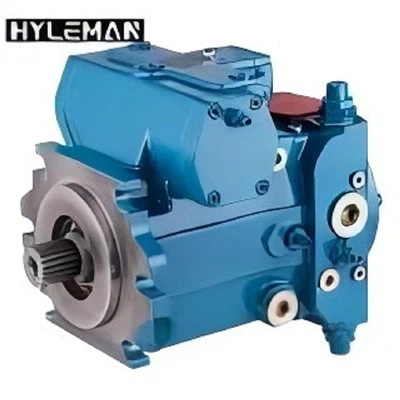
As a leading supplier of external gear pumps, I often encounter inquiries about the sealing methods of these essential devices. External gear pumps are widely used in various industries, including automotive, construction, and manufacturing, due to their simplicity, reliability, and efficiency. In this blog post, I will delve into the different sealing methods employed in external gear pumps, their advantages and disadvantages, and how they contribute to the overall performance of the pump.
Understanding External Gear Pumps
Before we discuss the sealing methods, let's briefly understand how external gear pumps work. An external gear pump consists of two meshing gears - a driving gear and a driven gear - enclosed in a housing. As the gears rotate, they create a vacuum at the inlet, drawing fluid into the pump. The fluid is then carried between the gear teeth and the pump housing to the outlet, where it is discharged under pressure.
Importance of Sealing in External Gear Pumps
Sealing is crucial in external gear pumps to prevent fluid leakage, maintain pressure, and ensure the efficient operation of the pump. A proper sealing mechanism helps to keep the fluid within the pump and prevents it from escaping into the surrounding environment. This not only improves the pump's performance but also reduces the risk of contamination and damage to other components.
Common Sealing Methods in External Gear Pumps
1. Mechanical Seals
Mechanical seals are one of the most commonly used sealing methods in external gear pumps. They consist of two flat surfaces - a stationary seal face and a rotating seal face - that are pressed together to create a seal. The seal faces are typically made of materials such as carbon, ceramic, or tungsten carbide, which are resistant to wear and corrosion.
Advantages:
- High sealing efficiency: Mechanical seals provide a reliable and efficient seal, minimizing fluid leakage.
- Long service life: The use of durable materials ensures a long service life, reducing the need for frequent replacements.
- Suitable for high-pressure applications: Mechanical seals can withstand high pressures, making them ideal for use in demanding industrial environments.
Disadvantages:
- High cost: Mechanical seals are relatively expensive compared to other sealing methods.
- Complex installation: The installation of mechanical seals requires specialized skills and tools, which can increase the installation time and cost.
- Sensitivity to operating conditions: Mechanical seals are sensitive to factors such as temperature, pressure, and fluid properties, which can affect their performance.
2. Lip Seals
Lip seals, also known as oil seals, are another common sealing method used in external gear pumps. They consist of a flexible lip that is in contact with the rotating shaft, creating a seal to prevent fluid leakage. Lip seals are typically made of materials such as rubber or elastomer, which provide good flexibility and resilience.
Advantages:
- Low cost: Lip seals are relatively inexpensive compared to mechanical seals, making them a cost-effective option for many applications.
- Easy installation: Lip seals are easy to install and require minimal maintenance, reducing the overall cost of ownership.
- Good flexibility: The flexible lip of the seal can adapt to changes in shaft diameter and surface roughness, providing a reliable seal.
Disadvantages:
- Limited pressure resistance: Lip seals are not suitable for high-pressure applications, as they may not be able to withstand the pressure without leaking.
- Shorter service life: Lip seals have a shorter service life compared to mechanical seals, and may need to be replaced more frequently.
- Sensitivity to temperature and chemical exposure: Lip seals are sensitive to temperature and chemical exposure, which can cause the rubber or elastomer to degrade over time.
3. O-Rings
O-rings are circular seals made of rubber or elastomer that are used to seal the gaps between two mating surfaces. They are commonly used in external gear pumps to seal the pump housing, the shaft, and other components. O-rings are available in a variety of sizes and materials, depending on the application requirements.
Advantages:
- Simple design: O-rings have a simple design, making them easy to install and replace.
- Cost-effective: O-rings are relatively inexpensive compared to other sealing methods, making them a popular choice for many applications.
- Good sealing performance: O-rings provide a reliable seal, preventing fluid leakage and maintaining pressure.
Disadvantages:
- Limited pressure resistance: O-rings are not suitable for high-pressure applications, as they may not be able to withstand the pressure without deforming or leaking.
- Sensitivity to temperature and chemical exposure: O-rings are sensitive to temperature and chemical exposure, which can cause the rubber or elastomer to degrade over time.
- Limited flexibility: O-rings have limited flexibility, which may make them less suitable for applications where there is significant movement or vibration.
Choosing the Right Sealing Method
When choosing a sealing method for an external gear pump, several factors need to be considered, including the application requirements, the operating conditions, and the cost. Here are some guidelines to help you choose the right sealing method:
- Application requirements: Consider the type of fluid being pumped, the pressure and temperature requirements, and the level of leakage tolerance. For high-pressure applications, mechanical seals may be the best choice, while lip seals or O-rings may be suitable for low-pressure applications.
- Operating conditions: Consider the operating environment, including the temperature, humidity, and chemical exposure. Choose a sealing material that is resistant to the operating conditions to ensure a long service life.
- Cost: Consider the cost of the sealing method, including the initial purchase cost, installation cost, and maintenance cost. Choose a sealing method that provides the best balance between performance and cost.
Our External Gear Pump Products
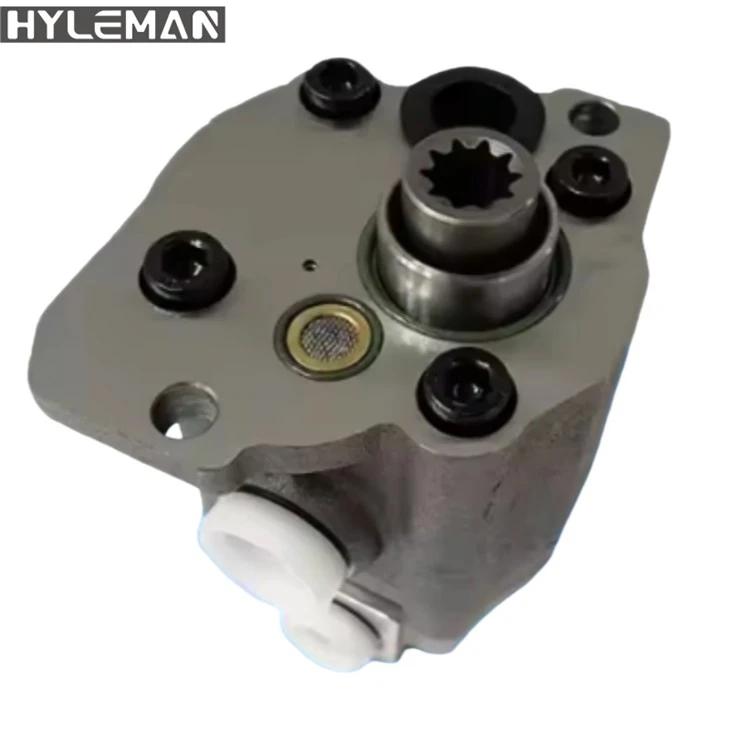
As a supplier of external gear pumps, we offer a wide range of products to meet the diverse needs of our customers. Our products include PVD-0b Length 9.6cm Excavator Hydraulic Gear Charge Pump, Gear Pump Bearing Block For Excavator Machinery CASE 580L-257953A1580SL-257954A1580SK-D140801-MG229, and U30 12+4.5cc Hydraulic Gear Pump For Kubota U30. These products are designed to provide reliable and efficient performance, with high-quality sealing mechanisms to prevent fluid leakage and ensure long service life.
Contact Us for Purchase and Negotiation
If you are interested in our external gear pump products or have any questions about the sealing methods, please feel free to contact us. Our team of experts will be happy to assist you in choosing the right product for your application and provide you with more information about our products and services. We look forward to working with you and helping you meet your pumping needs.

References
- "Hydraulic Pumps and Motors" by Heinz P. Bloch and Fred K. Geitner
- "Mechanical Seals and Their Applications" by John A. S. Pearson