When dealing with abrasive fluids in an internal gear pump, the choice of materials is crucial to ensure the pump's longevity, efficiency, and reliable performance. As an established internal gear pump supplier, we understand the challenges posed by abrasive fluids and are well - versed in selecting the most suitable materials for this demanding application.
Understanding Abrasive Fluids
Abrasive fluids contain solid particles such as sand, grit, or other hard substances. These particles can cause significant wear on the pump components as they flow through the pump. The wear can lead to reduced pump efficiency, increased leakage, and ultimately, pump failure. Therefore, the materials used in the construction of the internal gear pump must be able to withstand the erosive effects of these abrasive particles.
Key Material Properties for Handling Abrasive Fluids
- Hardness: Hard materials are more resistant to abrasion. A high - hardness material can better withstand the impact and scratching of abrasive particles. For example, materials with a high Rockwell hardness rating are often preferred.
- Toughness: While hardness is important, toughness is also necessary. A tough material can absorb the energy of the abrasive particles without cracking or chipping. This property helps to prevent sudden failures of the pump components.
- Corrosion Resistance: In addition to abrasion, the fluid may also be corrosive. Corrosion can weaken the pump materials and accelerate the wear process. Therefore, materials with good corrosion resistance are essential.
Suitable Materials for Internal Gear Pumps Handling Abrasive Fluids
Stainless Steel
Stainless steel is a popular choice for internal gear pumps handling abrasive fluids. It offers a good combination of hardness, toughness, and corrosion resistance. Different grades of stainless steel are available, each with its own unique properties. For instance, 316 stainless steel is known for its excellent corrosion resistance, making it suitable for applications where the abrasive fluid may also be corrosive, such as in chemical processing plants.
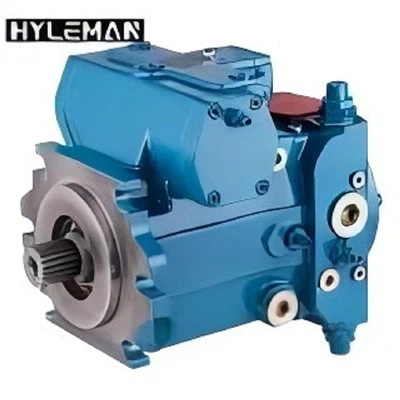
The high chromium content in stainless steel forms a passive oxide layer on the surface, which protects the material from further corrosion. Moreover, stainless steel can be heat - treated to increase its hardness, enhancing its abrasion resistance. Our internal gear pumps made of stainless steel have proven to be reliable in various abrasive fluid applications. You can learn more about our advanced pump models like the Casappa Hydraulic Pump, which are often constructed with high - quality stainless steel for optimal performance.
Hardened Alloy Steels
Hardened alloy steels are another excellent option. These steels are alloyed with elements such as chromium, molybdenum, and vanadium to improve their hardness and toughness. Through a process of heat treatment, the alloy steels can achieve very high hardness levels, making them highly resistant to abrasion.
They are commonly used in applications where the abrasive particles are particularly hard or in high - pressure environments. For example, in mining operations where the pumped fluid contains large amounts of sand and gravel, internal gear pumps made of hardened alloy steels can provide long - term service. Our Tandem Hydraulic Pump, which is designed for heavy - duty applications, frequently utilizes hardened alloy steels to handle abrasive fluids effectively.
Ceramic Materials
Ceramics are extremely hard and offer outstanding abrasion resistance. Materials like silicon carbide and alumina are commonly used in pump components for handling abrasive fluids. Ceramics can withstand the impact of abrasive particles with minimal wear.
However, ceramics are brittle, and they require careful design and handling to prevent cracking. In our internal gear pumps, we use ceramics in specific components where their abrasion - resistant properties can be fully utilized while minimizing the risk of breakage. For example, ceramic gears can be used in applications where the abrasive fluid has a high solid - particle content, such as in some industrial slurries.
Surface Treatments to Enhance Abrasion Resistance
In addition to selecting the right base materials, surface treatments can also be applied to improve the abrasion resistance of the pump components.
Hard Chrome Plating
Hard chrome plating is a widely used surface treatment. A thin layer of chromium is deposited on the surface of the pump components, increasing their hardness and reducing friction. This treatment can significantly extend the service life of the pump when handling abrasive fluids. It forms a smooth and hard surface that resists the scratching and wear caused by the abrasive particles.
Nitriding
Nitriding is a heat - treatment process in which nitrogen is diffused into the surface of the metal component. This process forms a hard nitride layer on the surface, enhancing the abrasion and corrosion resistance of the material. Nitrided components can withstand the erosive action of abrasive fluids better than untreated ones.
Considerations in Material Selection
- Fluid Characteristics: The type, concentration, and size of the abrasive particles in the fluid are important factors. For fluids with large and hard particles, harder materials like ceramics or hardened alloy steels may be more suitable. For fluids with smaller particles and a higher risk of corrosion, stainless steel may be the better choice.
- Operating Conditions: The pressure, temperature, and flow rate of the fluid also affect the material selection. High - pressure applications may require materials with higher strength and toughness, while high - temperature applications may need materials that can maintain their properties at elevated temperatures.
- Cost - Effectiveness: While high - performance materials like ceramics offer excellent abrasion resistance, they can be expensive. Therefore, a balance needs to be struck between the performance requirements and the cost of the materials.
Application Examples
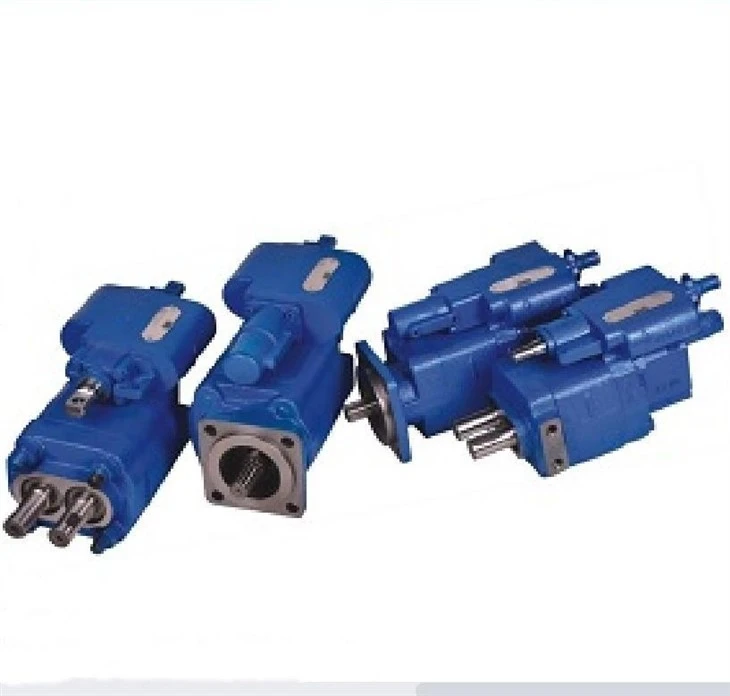
In the field of excavators, Application Of Gear Pump C101 C102 G101 G102 in Excavator, the hydraulic fluid often contains small amounts of dirt and debris, which are abrasive. Internal gear pumps made of stainless steel or hardened alloy steels are commonly used to ensure reliable operation. These pumps can handle the abrasive fluid without significant wear, providing consistent power for the excavator's hydraulic systems.
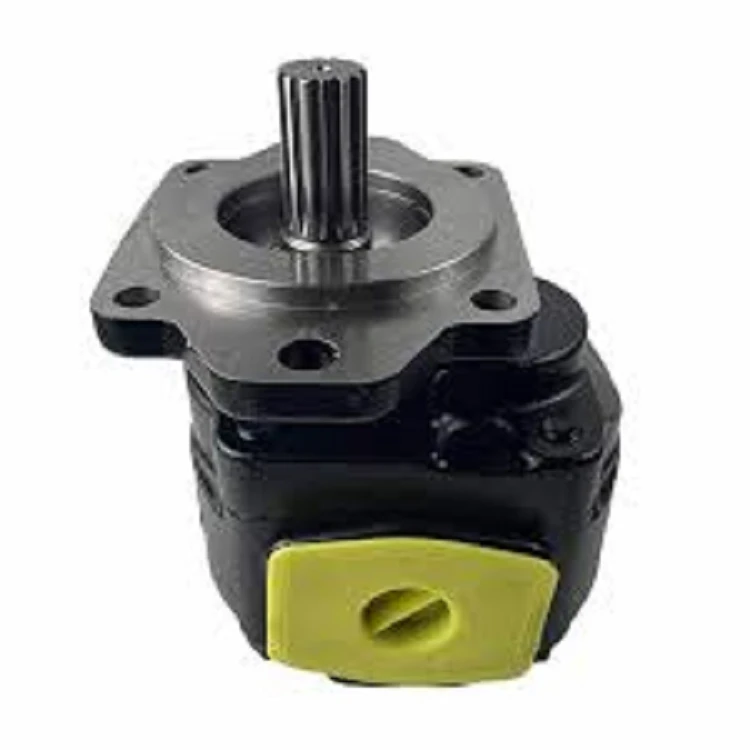
In the oil and gas industry, where the pumped fluids may contain sand and other abrasive substances, our internal gear pumps with appropriate material selections have been widely used. The pumps are designed to withstand the harsh conditions and provide long - term, trouble - free service.
Conclusion
Selecting the right materials for an internal gear pump to handle abrasive fluids is a complex but essential task. As a leading internal gear pump supplier, we have the expertise and experience to recommend the most suitable materials based on your specific application requirements. Whether it is stainless steel, hardened alloy steels, or ceramic materials, we can provide high - quality internal gear pumps that are built to last.
If you are in need of an internal gear pump for handling abrasive fluids, we invite you to contact us for further discussions. Our team of experts will be happy to assist you in choosing the right pump and material combination for your application.
References
- ASM Handbook Volume 1: Properties and Selection: Irons, Steels, and High - Performance Alloys
- Tribology Handbook, Second Edition
- Pump Handbook, Fourth Edition