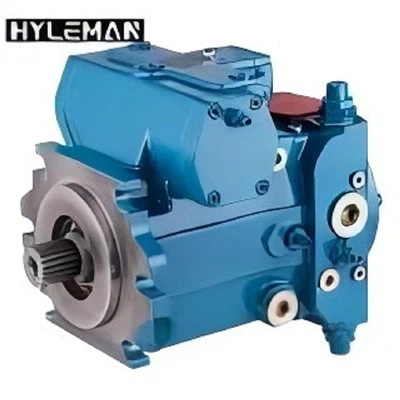
As a supplier of axial piston motors, one of the most frequently asked questions I encounter from customers is, "How often should the hydraulic fluid in an axial piston motor be changed?" This is a crucial question because the proper maintenance of hydraulic fluid directly impacts the performance, efficiency, and lifespan of the axial piston motor. In this blog post, I will delve into the factors that influence the frequency of hydraulic fluid changes and provide some guidelines to help you determine the optimal schedule for your axial piston motor.
Factors Affecting the Frequency of Hydraulic Fluid Changes
Operating Conditions
The operating conditions of the axial piston motor play a significant role in determining how often the hydraulic fluid should be changed. Motors that operate in harsh environments, such as extreme temperatures, high humidity, or dusty conditions, are more likely to experience contamination of the hydraulic fluid. For example, in a hot and dry environment, the hydraulic fluid may oxidize more quickly, leading to the formation of sludge and varnish. On the other hand, in a dusty environment, dirt and debris can enter the hydraulic system, causing abrasion and wear on the internal components of the motor.
Load and Usage
The load and usage of the axial piston motor also affect the frequency of hydraulic fluid changes. Motors that are subjected to heavy loads or continuous operation will generate more heat and stress on the hydraulic fluid, which can accelerate its degradation. For instance, a motor that is used in a high - pressure application or for extended periods without breaks will require more frequent fluid changes compared to a motor that operates under light loads and intermittent usage.
Quality of Hydraulic Fluid
The quality of the hydraulic fluid itself is another important factor. High - quality hydraulic fluids are formulated to have better oxidation resistance, anti - wear properties, and contamination control. Using a premium hydraulic fluid can extend the time between fluid changes. However, even high - quality fluids will eventually degrade over time and with use, so regular monitoring is still necessary.
Contamination Level
Contamination of the hydraulic fluid can come from various sources, including dirt, water, air, and metal particles. Even small amounts of contamination can have a significant impact on the performance of the axial piston motor. For example, water in the hydraulic fluid can cause corrosion of the internal components, while metal particles can lead to abrasive wear. Regularly testing the hydraulic fluid for contamination levels can help you determine when it is time to change the fluid.
General Guidelines for Hydraulic Fluid Change Frequency
Based on the factors mentioned above, here are some general guidelines for changing the hydraulic fluid in an axial piston motor:


Light - Duty Applications
For axial piston motors used in light - duty applications, such as in some small industrial equipment or occasional use in a workshop, the hydraulic fluid can typically be changed every 1000 - 2000 operating hours. These applications usually involve low loads and relatively clean operating environments, so the fluid degradation is slower.
Medium - Duty Applications
In medium - duty applications, such as in construction equipment or agricultural machinery that operate under moderate loads and normal environmental conditions, the hydraulic fluid should be changed every 500 - 1000 operating hours. These applications may expose the motor to more contaminants and higher stress levels, so more frequent fluid changes are required.
Heavy - Duty Applications
For heavy - duty applications, such as in mining equipment or large industrial presses that operate under high loads and harsh environments, the hydraulic fluid may need to be changed every 250 - 500 operating hours. These applications subject the motor and the hydraulic fluid to extreme conditions, and regular fluid changes are essential to prevent premature wear and failure.
Importance of Regular Fluid Analysis
While the above guidelines provide a general framework, the best way to determine the exact time for hydraulic fluid change is through regular fluid analysis. Fluid analysis can provide detailed information about the condition of the hydraulic fluid, including its viscosity, oxidation level, water content, and contamination level. By analyzing these parameters, you can detect potential problems early and make informed decisions about when to change the fluid.
Most modern axial piston motors are equipped with sampling ports that allow for easy collection of hydraulic fluid samples. These samples can be sent to a professional laboratory for analysis. Based on the analysis results, you can adjust the fluid change schedule accordingly. For example, if the analysis shows that the fluid has a high level of contamination or oxidation, you may need to change the fluid earlier than the recommended schedule.
Our Product Offerings
At our company, we offer a wide range of axial piston motors to meet the diverse needs of our customers. Our A2FE Series Bent Fixed Motor is known for its high efficiency and reliability. It is suitable for various applications, including mobile machinery and industrial equipment.
We also have the High Pressure Cast Iron Piston Pump A2FM Series Of A2FM56/63, A2FM80, A2FM90, A2FM107, A2FM125 Axial Piston A2FM Hydraulic Motor. This series is designed to handle high - pressure applications with ease, providing excellent performance and durability.
As a leading supplier, we are also associated with Hydraulic Piston Pump Manufacturers Of Rexroth (A2F, A2FM, A2FO, A2FE Series), ensuring that our products meet the highest quality standards.
Conclusion
In conclusion, the frequency of hydraulic fluid change in an axial piston motor depends on several factors, including operating conditions, load and usage, quality of the hydraulic fluid, and contamination level. While general guidelines can provide a starting point, regular fluid analysis is the key to determining the optimal fluid change schedule. By following these best practices, you can ensure the long - term performance and reliability of your axial piston motor.
If you are interested in our axial piston motors or have any questions about hydraulic fluid maintenance, please feel free to contact us for procurement and further discussions. We are committed to providing you with the best products and services to meet your needs.
References
- "Hydraulic System Maintenance Handbook", Industrial Press Inc.
- "Fluid Power Technology", Pearson Education
- Technical documents from axial piston motor manufacturers.