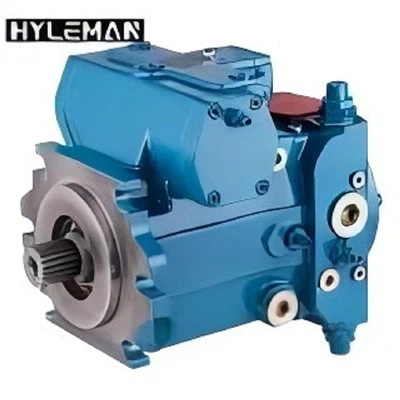
Hey there! As a supplier of radial piston pumps, I've seen these pumps go through thick and thin over long - term operations. Evaluating their performance after a long - haul is crucial, not just for us suppliers but also for our customers who rely on these pumps for their operations. So, let's dive right into how we can evaluate the performance of a radial piston pump after a long - term operation.
1. Flow Rate Analysis
One of the first things we look at is the flow rate. Over time, wear and tear can cause the flow rate of a radial piston pump to change. A decrease in flow rate might indicate issues like internal leakage, worn - out pistons, or a clogged intake.
To measure the flow rate, we usually use a flow meter. We compare the current flow rate with the pump's original specifications. If the flow rate is significantly lower than the rated value, it's a red flag. For example, if a pump is supposed to deliver 100 liters per minute but is only delivering 80 liters per minute after a long - term operation, there's definitely something wrong.
2. Pressure Assessment
Pressure is another key factor. A radial piston pump is designed to operate within a specific pressure range. After a long - term operation, we need to check if the pump can still maintain the required pressure.
We use pressure gauges to measure the pressure at different points in the system. If the pressure is too low, it could be due to a damaged valve, a worn - out piston seal, or a problem with the pump's drive mechanism. On the other hand, if the pressure is too high, it might cause excessive stress on the pump components, leading to premature failure.
3. Temperature Monitoring
Temperature can tell us a lot about the pump's performance. During long - term operation, the pump generates heat due to friction and the compression of the fluid. If the temperature rises too high, it can damage the pump's seals, lubricants, and other components.
We use temperature sensors to monitor the pump's temperature. A normal operating temperature for a radial piston pump is usually between 40 - 60 degrees Celsius. If the temperature exceeds this range, we need to investigate the cause. It could be due to improper lubrication, excessive load, or a problem with the cooling system.
4. Noise and Vibration Analysis
Unusual noise and vibration are clear signs that something is wrong with the pump. Over time, the moving parts of the pump can wear out, causing increased noise and vibration.
We listen for any abnormal sounds, such as rattling, knocking, or screeching. These sounds can indicate issues like loose components, misaligned parts, or worn - out bearings. We also use vibration sensors to measure the level of vibration. Excessive vibration can lead to fatigue failure of the pump components.
5. Efficiency Calculation
Efficiency is a measure of how well the pump converts input power into output power. After a long - term operation, the efficiency of the pump may decrease due to wear and tear.
We calculate the efficiency by dividing the output power (the power delivered by the pump) by the input power (the power supplied to the pump). If the efficiency drops below a certain level, it means the pump is not operating as efficiently as it should. This could be due to internal leakage, friction losses, or a problem with the pump's design.
6. Component Inspection
Regular component inspection is essential for evaluating the performance of a radial piston pump after a long - term operation. We need to check the pistons, valves, seals, and other components for wear and damage.
The pistons are one of the most critical components of the pump. Over time, the pistons can wear out, causing internal leakage and a decrease in performance. We check the pistons for signs of wear, such as scoring, pitting, or excessive clearance.
The valves are also important. They control the flow of fluid in and out of the pump. If the valves are damaged or not functioning properly, it can affect the pump's performance. We check the valves for proper seating, leakage, and wear.
The seals are responsible for preventing fluid leakage. Over time, the seals can degrade, leading to leakage. We check the seals for signs of wear, cracking, or swelling.


Comparison with Other Pumps
It's also a good idea to compare the performance of our radial piston pumps with other types of pumps on the market. For example, you can check out the Eaton Hydraulic Piston Pump PVB PVH PVQ, Rexroth A1vo Series 10 Axial Piston Variable Pump, and Hydraulic Ksd Series Plunger Pumps. By comparing, we can see how our pumps stack up against the competition and identify areas for improvement.
Contact for Purchase and Consultation
If you're in the market for a radial piston pump or need help evaluating the performance of your existing pump, don't hesitate to reach out. We're here to provide you with the best products and services. Whether you have questions about our pumps, need technical support, or want to discuss a potential purchase, we're just a message away.
References
- "Hydraulic Pumps and Motors: Fundamentals, Selection, and Application" by Heinz P. Bloch
- "Fluid Power Technology" by David Crolla