As a supplier of servo systems, I've had my fair share of experiences and challenges when it comes to implementing jerk control. Jerk control is super important in servo systems 'cause it can really improve the performance and longevity of the equipment. In this blog, I'll share some insights on how to implement jerk control in a servo system.
First off, let's talk about what jerk is. Jerk is the rate of change of acceleration. In a servo system, sudden changes in acceleration can cause all sorts of problems like mechanical stress, vibration, and even premature wear and tear. That's why controlling jerk is crucial. It helps smooth out the motion of the servo system, making it more efficient and reliable.
One of the first steps in implementing jerk control is to understand the requirements of your specific servo system. Different applications have different needs, so you gotta figure out what kind of jerk control is appropriate. For example, in a high - speed pick - and - place application, you might need very precise and rapid jerk control to ensure fast and accurate movements. On the other hand, in a more slow - moving industrial process, a more gradual jerk control might be sufficient.


To start with the implementation, you need to choose the right hardware. A good Servo Motor with Drive is essential. The drive plays a key role in controlling the motor's acceleration and jerk. It can be programmed to limit the rate at which the acceleration changes, thus controlling the jerk. Many modern servo drives come with built - in jerk control features. These features allow you to set parameters such as the maximum jerk value, the jerk time profile, and so on.
When it comes to programming the drive, it's not as complicated as it might seem at first. Most servo drives have user - friendly interfaces that let you input the jerk control parameters. You can usually define the jerk in terms of acceleration change per unit time. For example, if you set a jerk limit of 10 m/s³ per second, it means that the acceleration of the motor can't increase or decrease by more than 10 m/s³ in one second.
Another important aspect is the feedback system. A reliable feedback system, like an encoder, is necessary to accurately measure the position, velocity, and acceleration of the servo motor. This information is then used by the drive to adjust the jerk control. For instance, if the feedback shows that the acceleration is changing too rapidly, the drive can adjust the motor's input to reduce the jerk.
In addition to hardware and programming, the mechanical design of the servo system also matters. A well - designed mechanical structure can help reduce the impact of jerk. For example, using proper bearings and couplings can minimize the transmission of vibrations caused by sudden acceleration changes. Also, the mass distribution of the moving parts should be optimized to ensure smooth motion.
Let's take a look at some real - world examples. In a robotic arm application, jerk control is vital for smooth and precise movements. Without proper jerk control, the arm might move in a jerky manner, which can lead to inaccurate positioning and even damage to the arm or the objects it's handling. By implementing jerk control in the servo system of the robotic arm, we can ensure that the arm moves smoothly and accurately, improving the overall performance of the robot.
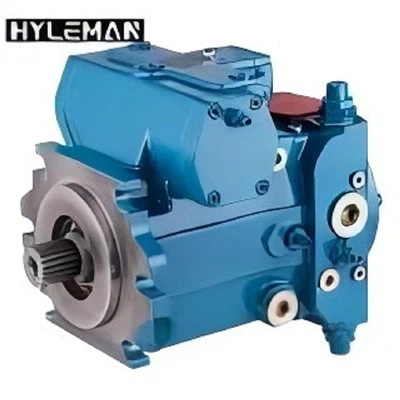
Another example is in a Hydraulic Servomotor in Control System. Hydraulic systems can be quite sensitive to sudden changes in acceleration. Jerk control can help prevent hydraulic shock, which can cause damage to the hydraulic components. By carefully controlling the jerk of the servomotor, we can ensure a more stable and efficient operation of the hydraulic system.
Now, let's talk about some tips and tricks for better jerk control. First, start with conservative jerk limits. It's better to start with lower values and gradually increase them as you test and optimize the system. This way, you can avoid over - stressing the components. Second, use simulation tools. There are many software tools available that can simulate the behavior of the servo system with different jerk control parameters. These simulations can help you predict the performance of the system before you actually implement the changes.
Also, regular maintenance and monitoring are essential. Check the servo system regularly for any signs of wear and tear, and make sure the jerk control parameters are still appropriate. Over time, the performance of the components might change, and you may need to adjust the jerk control settings accordingly.
In the context of our products, we offer a wide range of servo systems that are designed with jerk control in mind. For example, our Sumitomo Servo Internal Gear Pump Qt Series is equipped with advanced control features that allow for precise jerk control. This pump is suitable for various industrial applications where smooth and efficient operation is required.
If you're interested in learning more about how to implement jerk control in your servo system or if you're looking for high - quality servo system products, we're here to help. Whether you're a small - scale manufacturer or a large industrial enterprise, we have the expertise and the products to meet your needs.
Implementing jerk control in a servo system is a multi - faceted process that involves choosing the right hardware, programming the drive, optimizing the mechanical design, and using a reliable feedback system. By following these steps and tips, you can significantly improve the performance and reliability of your servo system.
If you're considering upgrading your servo system or implementing jerk control for the first time, don't hesitate to reach out. We can provide you with detailed information, technical support, and even customized solutions based on your specific requirements. Contact us to start a discussion about your servo system needs and how we can help you achieve better jerk control.
References
- "Servo Motor Control Handbook"
- "Advanced Motion Control Techniques for Industrial Applications"
- Technical documentation of Sumitomo Servo Internal Gear Pump Qt Series, Servo Motor with Drive, and Hydraulic Servomotor in Control System.