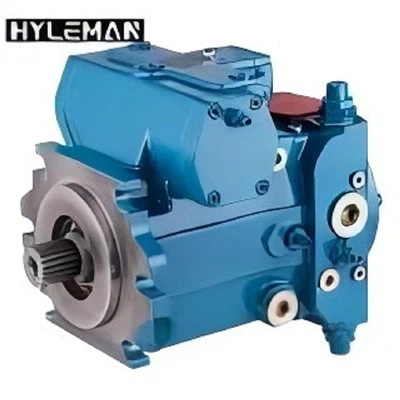
As a supplier of internal gear pumps, I understand the importance of suction capacity in these pumps. A high suction capacity ensures efficient operation and reliable performance, which are crucial for various industrial applications. In this blog post, I will share some effective ways to improve the suction capacity of an internal gear pump.
Understanding the Basics of Internal Gear Pumps
Before delving into the methods to enhance suction capacity, it's essential to have a basic understanding of how internal gear pumps work. An internal gear pump consists of an outer gear (ring gear) and an inner gear (pinion gear). The inner gear is eccentrically mounted inside the outer gear. As the gears rotate, they create expanding and contracting chambers. The expanding chamber at the suction side draws in the fluid, while the contracting chamber at the discharge side pushes the fluid out.


The suction capacity of an internal gear pump is influenced by several factors, including the design of the pump, the viscosity of the fluid, the speed of the pump, and the condition of the pump components.
Optimize Pump Design
- Proper Gear Geometry: The design of the gears plays a significant role in the suction capacity. Gears with a proper tooth profile and pitch can improve the fluid flow into the pump. For example, helical gears can provide a smoother and more continuous flow compared to spur gears, reducing the chances of cavitation and improving suction performance.
- Clearance Control: The clearances between the gears, the gear and the housing, and the gear and the side plates are critical. Too large clearances can lead to leakage, reducing the suction efficiency. On the other hand, too small clearances can cause excessive friction and wear. Therefore, it's important to maintain the optimal clearances during the manufacturing and assembly process.
- Suction Port Design: The design of the suction port can also affect the suction capacity. A well - designed suction port should have a smooth transition to minimize flow resistance. It should be large enough to allow the fluid to enter the pump easily but not so large that it causes turbulence.
Consider Fluid Viscosity
- Match the Pump to the Fluid: Different fluids have different viscosities, and the pump should be selected based on the viscosity of the fluid it will handle. For high - viscosity fluids, a pump with a larger displacement and a slower speed may be more suitable. This is because high - viscosity fluids require more energy to flow, and a slower speed can prevent cavitation.
- Temperature Control: Viscosity is also affected by temperature. As the temperature increases, the viscosity of most fluids decreases. Therefore, it's important to control the temperature of the fluid to ensure consistent suction performance. In some cases, a heater or a cooler may be used to maintain the optimal temperature.
Adjust Pump Speed
- Optimal Speed Selection: The speed of the pump has a direct impact on the suction capacity. Generally, increasing the pump speed can increase the flow rate, but it also increases the risk of cavitation. Cavitation occurs when the pressure at the suction side drops below the vapor pressure of the fluid, causing the formation of vapor bubbles. These bubbles can collapse when they reach a higher - pressure area, leading to damage to the pump components. Therefore, it's important to select the optimal pump speed based on the pump design and the fluid properties.
- Variable Speed Drives: Using variable speed drives can provide more flexibility in adjusting the pump speed. This allows the pump to operate at the most efficient speed under different operating conditions, improving the suction capacity and energy efficiency.
Maintain Pump Components
- Regular Inspection and Maintenance: Regular inspection and maintenance of the pump components are essential to ensure optimal suction performance. This includes checking the gears for wear, the seals for leaks, and the bearings for proper lubrication. Any worn or damaged components should be replaced promptly.
- Clean the Pump: Dirt, debris, and contaminants can accumulate in the pump, blocking the flow paths and reducing the suction capacity. Therefore, it's important to clean the pump regularly. This can be done by flushing the pump with a suitable cleaning fluid or by disassembling the pump and cleaning the components manually.
Case Studies and Applications
- Application Of Gear Pump C101 C102 G101 G102 in Excavator: Application Of Gear Pump C101 C102 G101 G102 in Excavator In excavators, internal gear pumps are used to power various hydraulic systems. Improving the suction capacity of these pumps can enhance the overall performance of the excavator, allowing for more efficient operation and better control of the hydraulic functions.
- Parker Gear Pump: Parker Gear Pump Parker gear pumps are known for their high - quality and reliable performance. By implementing the above - mentioned methods to improve suction capacity, the performance of Parker gear pumps can be further enhanced, making them more suitable for a wide range of industrial applications.
- HYLEMAN HG Hydro Pack Hydraulic Pump: HYLEMAN HG Hydro Pack Hydraulic Pump The HYLEMAN HG Hydro Pack Hydraulic Pump is designed for various hydraulic applications. Optimizing the suction capacity of this pump can improve its efficiency and reliability, ensuring smooth operation in different working environments.
Conclusion
Improving the suction capacity of an internal gear pump is crucial for its efficient and reliable operation. By optimizing the pump design, considering the fluid viscosity, adjusting the pump speed, and maintaining the pump components, we can significantly enhance the suction performance of the pump. As a supplier of internal gear pumps, we are committed to providing high - quality products and technical support to our customers. If you are interested in our internal gear pumps or need more information on improving suction capacity, please feel free to contact us for procurement and further discussions.
References
- Hydraulic Pump Handbook, various authors
- Pump Engineering and Technology, industry - specific publications
- Manufacturer's manuals for internal gear pumps