Hey there! As a supplier of servo systems, I've seen my fair share of issues, and one of the most common problems is over - heating. It can really mess up the performance of your servo system and even lead to some serious damage. So, in this blog, I'm gonna share some tips on how to prevent over - heating in a servo system.
Understanding the Causes of Over - Heating
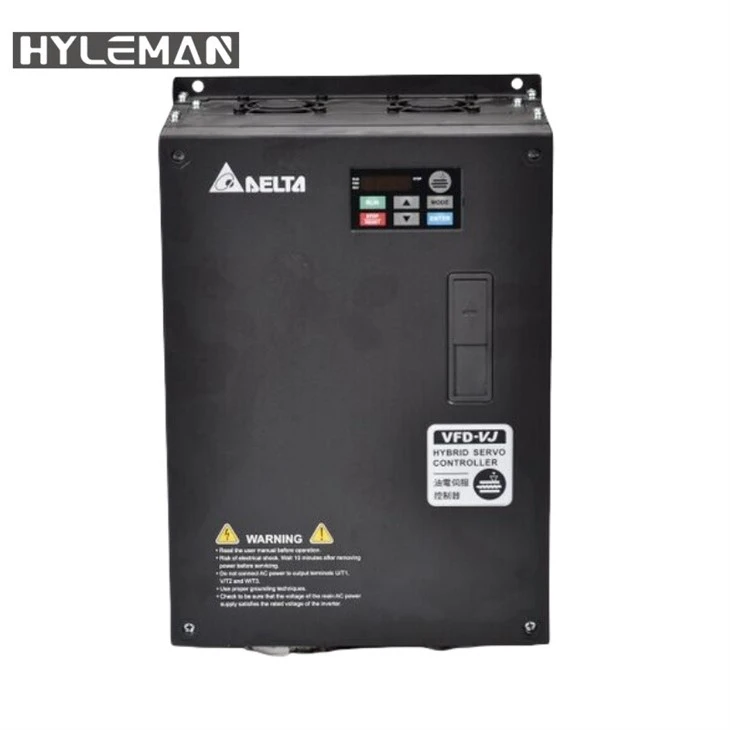
First things first, we need to know why a servo system might over - heat. There are a few main culprits. One is excessive load. If your servo motor is constantly working against a heavy load, it has to work harder, which generates more heat. For example, if you're using a Taiwan Delta Hybrid Servo Driver in an application where the load is way beyond its capacity, it's gonna heat up fast.
Another cause is poor ventilation. Servo systems need proper air circulation to cool down. If the system is installed in a tight space with no room for air to flow, the heat can't escape, and the temperature will keep rising. Also, dirty or clogged cooling fans can make the situation worse. The fans are supposed to blow cool air over the components, but if they're blocked, they can't do their job.
Electrical issues can also lead to over - heating. Things like short circuits, incorrect wiring, or problems with the power supply can cause the servo system to draw more current than it should. This extra current creates more heat, and before you know it, your system is running hot.

Tips for Preventing Over - Heating
Proper Sizing of the Servo System
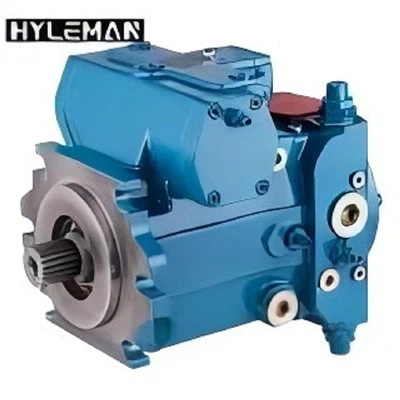
When you're choosing a servo system, it's super important to pick the right size for your application. Don't go for a system that's too small for the job. If you do, it'll have to work overtime, which will definitely lead to over - heating. On the other hand, a system that's too big can be a waste of money. You need to calculate the load requirements accurately and choose a servo motor and driver that can handle the load without straining. For instance, if you're using a Servo Hydraulic Pump, make sure it's sized correctly for the hydraulic system it's powering.
Good Ventilation
As I mentioned earlier, ventilation is key. Make sure your servo system is installed in a well - ventilated area. If possible, leave some space around the system to allow air to circulate freely. You can also use fans or heat sinks to help dissipate the heat. Heat sinks are great because they increase the surface area of the components, which allows heat to transfer more easily to the surrounding air. And don't forget to keep the fans clean. Regularly check and clean the fans to make sure they're working properly.
Regular Maintenance
Regular maintenance is crucial for preventing over - heating. Check the system regularly for any signs of wear and tear, loose connections, or damaged components. Tighten any loose screws or wires, and replace any parts that are showing signs of damage. Also, keep the system clean. Dust and debris can accumulate on the components and insulate them, preventing heat from escaping. Use a soft brush or compressed air to clean the system periodically.
Monitoring the Temperature
It's a good idea to monitor the temperature of your servo system. You can use temperature sensors to keep an eye on the temperature of the motor, driver, and other components. If the temperature starts to rise above the normal range, you can take action before it gets too hot. Some servo systems come with built - in temperature sensors, but if yours doesn't, you can buy external sensors and install them.
Optimizing the Control Parameters
The control parameters of your servo system can also affect its temperature. Make sure the parameters are set correctly for your application. For example, the acceleration and deceleration rates can have a big impact on the motor's power consumption and heat generation. If the acceleration is too fast, the motor will draw more current and generate more heat. You can work with an engineer or use the manufacturer's guidelines to optimize the control parameters.
Choosing the Right Components
When building or upgrading your servo system, choose high - quality components. Cheaper components might seem like a good deal at first, but they can be less efficient and more prone to over - heating. For example, a Dmx Servo Controller that's made with high - quality materials and advanced technology will be more reliable and less likely to over - heat.
Conclusion
Preventing over - heating in a servo system is all about understanding the causes and taking the right steps to address them. By properly sizing the system, ensuring good ventilation, performing regular maintenance, monitoring the temperature, optimizing the control parameters, and choosing the right components, you can keep your servo system running cool and efficiently.
If you're in the market for a servo system or need help with preventing over - heating in your existing system, don't hesitate to reach out. We're here to help you find the best solutions for your needs. Whether you're looking for a Taiwan Delta Hybrid Servo Driver, a Servo Hydraulic Pump, or a Dmx Servo Controller, we've got you covered. Let's have a chat and see how we can work together to keep your servo system in top shape.
References
- Servo System Handbook, Manufacturer X
- Electrical Engineering Journal Articles on Servo Systems
- Industry Reports on Servo System Performance and Cooling