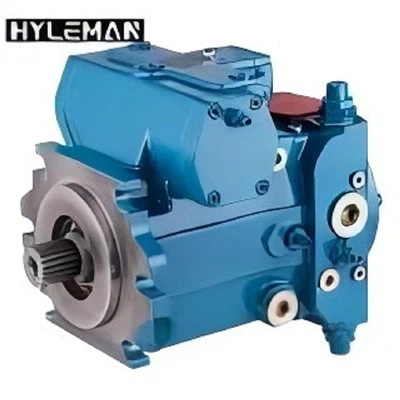
A servo pump motor control system is a sophisticated setup designed to precisely regulate the operation of a servo pump motor. As a leading Servo Pump Motor supplier, I understand the importance of each component in this system and how they work together to achieve optimal performance. In this blog, I will delve into the key components of a servo pump motor control system, highlighting their functions and significance.
1. Servo Pump Motor
At the heart of the system is the Servo Pump Motor itself. This motor is specifically engineered to provide accurate and responsive control over the pump's operation. Unlike traditional motors, servo motors can adjust their speed, torque, and position with high precision, making them ideal for applications that require exact fluid flow and pressure control. Servo pump motors are often used in industrial automation, robotics, and hydraulic systems where precise motion control is essential.
The design of a servo pump motor typically includes a rotor, stator, and a feedback device. The rotor is the rotating part of the motor, while the stator contains the windings that create the magnetic field. The feedback device, such as an encoder or resolver, provides real - time information about the motor's position, speed, and torque to the controller. This feedback allows the controller to make continuous adjustments to the motor's operation, ensuring that it meets the desired performance criteria.
2. Servo Drive
The servo drive is a vital component that interfaces between the controller and the servo pump motor. Its primary function is to convert the low - power control signals from the controller into high - power electrical signals that can drive the motor. The servo drive adjusts the voltage, current, and frequency supplied to the motor based on the control signals received, enabling precise control of the motor's speed, torque, and position.
Modern servo drives are equipped with advanced control algorithms and features that enhance the performance of the servo pump motor. For example, they can compensate for load variations, reduce torque ripple, and improve dynamic response. Some servo drives also support communication protocols such as Ethernet/IP, Profibus, and CANopen, allowing them to be integrated into larger automation systems.
3. Controller
The controller is the brain of the servo pump motor control system. It is responsible for generating the control signals that tell the servo drive how to operate the motor. The controller receives input from various sources, such as sensors, user interfaces, and other control devices, and uses this information to calculate the appropriate control commands.
There are different types of controllers used in servo pump motor control systems, including programmable logic controllers (PLCs), motion controllers, and dedicated servo controllers. PLCs are widely used in industrial applications due to their versatility and reliability. They can be programmed to perform complex control tasks and can interface with other devices in the automation system. Motion controllers, on the other hand, are specifically designed for motion control applications and offer more advanced features such as trajectory planning and multi - axis control. Dedicated servo controllers are optimized for controlling servo motors and provide high - performance control capabilities.
4. Sensors
Sensors play a crucial role in the servo pump motor control system by providing feedback information about the motor's operating conditions. There are several types of sensors commonly used in these systems:
Encoder/Resolver
As mentioned earlier, encoders or resolvers are used to measure the position, speed, and sometimes the torque of the servo pump motor. They provide the feedback necessary for the controller to accurately control the motor's operation. Incremental encoders generate a series of pulses as the motor rotates, allowing the controller to measure the motor's speed and position relative to a reference point. Absolute encoders, on the other hand, provide the exact position of the motor at any given time.
Pressure Sensor
Pressure sensors are used to measure the pressure of the fluid being pumped by the servo pump. This information is important for maintaining the desired pressure levels in the hydraulic system. The controller can use the pressure sensor data to adjust the motor's speed and torque to ensure that the pressure remains within the specified range.
Temperature Sensor
Temperature sensors are installed on the servo pump motor and other components of the system to monitor their temperature. Excessive temperature can degrade the performance of the motor and other components and may even lead to damage. The controller can use the temperature sensor data to take preventive actions, such as reducing the motor's load or activating cooling fans.
5. Hydraulic Pump
The hydraulic pump is an integral part of the servo pump motor control system. It converts the mechanical energy from the servo pump motor into hydraulic energy, which is then used to power hydraulic actuators such as cylinders and motors. There are different types of hydraulic pumps used in servo systems, including Low Viscoaity Pgh Series Hydraulic Pump and Sumitomo Servo Internal Gear Pump Qt Series.
The performance of the hydraulic pump is closely related to the performance of the servo pump motor. The pump's flow rate and pressure output depend on the speed and torque of the motor. Therefore, precise control of the motor is essential for achieving the desired hydraulic performance.
6. Power Supply
A reliable power supply is essential for the proper operation of the servo pump motor control system. The power supply provides the electrical energy needed to drive the servo motor, servo drive, controller, and other components in the system. It must be able to provide a stable and clean power source to ensure the performance and longevity of the components.
In some applications, a dedicated power supply may be required to meet the specific power requirements of the servo pump motor control system. For example, high - power servo motors may require a three - phase power supply with a high voltage and current capacity.
7. User Interface
The user interface allows operators to interact with the servo pump motor control system. It provides a means for setting up the system parameters, monitoring the system status, and troubleshooting any issues. User interfaces can range from simple push - button panels to sophisticated touch - screen displays.


Modern user interfaces often include features such as graphical displays, data logging, and remote access. These features make it easier for operators to understand the system's operation and make adjustments as needed.
Conclusion
In conclusion, a servo pump motor control system is a complex and integrated setup that consists of several key components. Each component plays a crucial role in ensuring the system's performance, reliability, and precision. As a Servo Pump Motor supplier, I offer a comprehensive range of products and solutions to meet the diverse needs of our customers. Whether you are looking for a high - performance servo pump motor, a reliable servo drive, or a complete control system, we have the expertise and products to provide you with the best solution.
If you are interested in learning more about our Servo Pump Motor products or have any questions regarding the servo pump motor control system, please feel free to contact us for procurement and further discussions. We look forward to working with you and helping you achieve your automation goals.
References
- Dorf, R. C., & Bishop, R. H. (2016). Modern Control Systems. Pearson.
- Kao, I. P. (2005). Mechatronics: Modeling, Analysis, Design, and Control. Wiley.