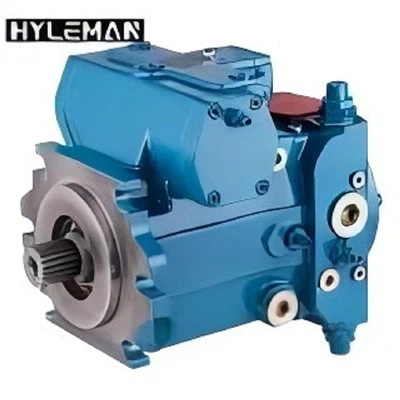
When it comes to powering mobile equipment, the choice of hydraulic pumps is crucial. Radial piston pumps, in particular, have emerged as a popular option due to their high efficiency, reliability, and ability to handle high pressures. As a supplier of Radial Piston Pumps, I have witnessed firsthand the growing demand for these pumps in various mobile applications. In this blog, I will delve into the requirements for using radial piston pumps in mobile equipment, exploring the technical specifications, operational considerations, and benefits that make them a preferred choice.
Technical Specifications
Pressure and Flow Requirements
One of the primary requirements for using radial piston pumps in mobile equipment is the ability to meet the specific pressure and flow demands of the application. Mobile equipment, such as construction machinery, agricultural vehicles, and material handling equipment, often operates under high-pressure conditions to perform tasks like lifting, digging, and pushing. Radial piston pumps are designed to deliver high pressures, typically ranging from 200 to 700 bar, depending on the model and application.
In addition to pressure, the flow rate is another critical factor. The flow rate determines the speed at which the hydraulic system can perform work. Mobile equipment may require different flow rates depending on the operation, such as fast movement during transportation and slow, precise movement during fine-tuning tasks. Radial piston pumps can be configured to provide variable flow rates, allowing for flexibility in different operating scenarios.
Size and Weight Constraints
Mobile equipment has limited space and weight capacity. Therefore, the size and weight of the radial piston pump are important considerations. Compact and lightweight pumps are preferred as they minimize the overall footprint of the equipment and reduce the load on the vehicle. Modern radial piston pumps are designed with advanced materials and manufacturing techniques to achieve a high power-to-weight ratio, making them suitable for mobile applications where space and weight are at a premium.
Efficiency and Energy Consumption
Efficiency is a key requirement in mobile equipment, as it directly impacts fuel consumption and operating costs. Radial piston pumps are known for their high volumetric and mechanical efficiency. Volumetric efficiency refers to the ability of the pump to deliver the specified flow rate, while mechanical efficiency relates to the conversion of mechanical power into hydraulic power. High-efficiency pumps waste less energy in the form of heat and friction, resulting in lower fuel consumption and longer component life.
Operational Considerations
Contamination Resistance
Mobile equipment often operates in harsh environments where dust, dirt, and other contaminants are present. These contaminants can enter the hydraulic system and cause damage to the pump and other components. Radial piston pumps need to have excellent contamination resistance to ensure reliable operation. This can be achieved through features such as high-quality filtration systems, robust seals, and wear-resistant materials.
Temperature and Viscosity Range
The operating temperature of mobile equipment can vary significantly depending on the environment and the nature of the work. Radial piston pumps must be able to operate effectively within a wide temperature range. Additionally, the viscosity of the hydraulic fluid changes with temperature, which can affect the pump's performance. Pumps are designed to work with hydraulic fluids of specific viscosity ranges, and it is important to select the appropriate fluid and ensure that the pump can handle the expected viscosity variations.
Noise and Vibration
Noise and vibration can be a concern in mobile equipment, especially in applications where the operator is in close proximity to the pump. Excessive noise can cause discomfort and fatigue, while vibration can lead to premature component failure. Radial piston pumps are engineered to minimize noise and vibration through features such as precision machining, balanced designs, and effective damping mechanisms.
Benefits of Using Radial Piston Pumps in Mobile Equipment
High Power Density
Radial piston pumps offer a high power density, meaning they can deliver a large amount of power in a relatively small package. This is particularly advantageous in mobile equipment where space is limited. The high power density allows for more compact and efficient hydraulic systems, which can improve the overall performance and maneuverability of the equipment.


Precise Control
Mobile equipment often requires precise control of hydraulic functions. Radial piston pumps provide excellent control over pressure and flow, allowing for smooth and accurate operation. This is essential for applications such as steering, braking, and lifting, where precise control can enhance safety and productivity.
Durability and Reliability
Mobile equipment is subjected to heavy use and harsh operating conditions. Radial piston pumps are built to be durable and reliable, with robust construction and high-quality components. They can withstand high pressures, shock loads, and continuous operation, reducing the need for frequent maintenance and downtime.
Comparison with Other Hydraulic Pumps
When considering the use of radial piston pumps in mobile equipment, it is important to compare them with other types of hydraulic pumps, such as Rexroth Hydraulic Plunger Pump and Linde Hydraulic Plunger Pump. While each type of pump has its own advantages and disadvantages, radial piston pumps offer several unique benefits in mobile applications.
Compared to axial piston pumps, radial piston pumps can handle higher pressures and provide better low-speed performance. They are also more suitable for applications that require a high degree of precision and stability. In contrast, vane pumps are generally less efficient and have lower pressure capabilities, making them less suitable for heavy-duty mobile equipment.
Conclusion
In conclusion, the requirements for using radial piston pumps in mobile equipment are multifaceted, encompassing technical specifications, operational considerations, and performance benefits. These pumps are designed to meet the demanding needs of mobile applications, offering high power density, precise control, and durability. As a supplier of Radial Piston Pumps, I understand the importance of providing pumps that meet the specific requirements of our customers. If you are in the market for a reliable and efficient hydraulic pump for your mobile equipment, I encourage you to [contact us] to discuss your needs and explore how our radial piston pumps can enhance the performance of your machinery.
References
- Hydraulic Pumps Handbook: A comprehensive guide to the design, operation, and maintenance of hydraulic pumps.
- Mobile Equipment Hydraulics: An in - depth look at the hydraulic systems used in various types of mobile equipment.
- Industry Reports on Hydraulic Pump Technologies: Analyses of the latest trends and developments in hydraulic pump technology for mobile applications.