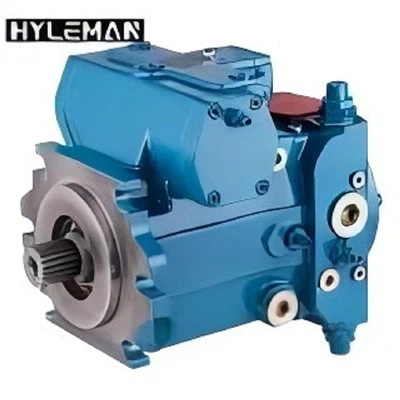
As a supplier of Parker Piston Pumps, I often receive inquiries from customers about the maximum temperature these pumps can withstand. Understanding this parameter is crucial for ensuring the optimal performance and longevity of the pumps in various industrial applications.
The Basics of Parker Piston Pumps
Parker Piston Pumps are renowned for their high - performance, reliability, and durability. They are widely used in a variety of industries, including manufacturing, construction, and agriculture. These pumps operate by converting mechanical energy into hydraulic energy, which is then used to power different types of machinery.
The design of Parker Piston Pumps is based on advanced engineering principles. They typically consist of a piston, a cylinder block, and a valve plate. The piston moves back and forth within the cylinder block, creating a change in volume that allows the pump to draw in and discharge fluid. The valve plate controls the flow of fluid in and out of the cylinder block, ensuring efficient operation.
Factors Affecting the Maximum Temperature
The maximum temperature that a Parker Piston Pump can withstand is influenced by several factors.
Fluid Properties
The type of hydraulic fluid used in the pump plays a significant role. Different fluids have different viscosity - temperature characteristics. For example, some fluids may have a high viscosity at low temperatures, which can cause increased friction and heat generation. On the other hand, fluids with low viscosity at high temperatures may not provide sufficient lubrication, leading to wear and tear of the pump components.
Operating Conditions
The operating conditions of the pump also affect its temperature tolerance. Continuous operation at high pressures and flow rates can generate a significant amount of heat. Additionally, the ambient temperature in which the pump is operating can impact its overall temperature. If the pump is located in a hot environment, it will have to dissipate more heat to maintain a safe operating temperature.
Pump Design and Construction
The design and construction of the pump itself can influence its temperature resistance. Pumps with better heat - dissipation features, such as larger surface areas for cooling or efficient cooling channels, can handle higher temperatures. The materials used in the pump's construction also matter. For example, pumps made with high - quality metals that have good thermal conductivity can transfer heat more effectively.


Maximum Temperature Ratings of Parker Piston Pumps
Parker Piston Pumps are designed to operate within a specific temperature range. Generally, the maximum temperature for most Parker Piston Pumps is around 80 - 90 degrees Celsius. However, this can vary depending on the specific model and application.
Some of the more advanced models, which are designed for heavy - duty applications, may be able to withstand slightly higher temperatures. These pumps often incorporate features such as improved cooling systems and high - temperature - resistant materials.
It's important to note that operating the pump close to its maximum temperature for extended periods can have a negative impact on its performance and lifespan. High temperatures can cause the hydraulic fluid to break down, leading to increased wear on the pump components and potential system failures.
Comparison with Other Piston Pumps
When comparing Parker Piston Pumps with other types of piston pumps in the market, such as the Roller Bearing Gear Pump P50/51 Pgp50/51, Rexroth Iron Piston Pump, and Vickers Piston Pump, Parker Pumps generally offer a good balance between temperature resistance and performance.
The Roller Bearing Gear Pump P50/51 Pgp50/51 is known for its high - speed operation and relatively good temperature tolerance. However, it may not be as suitable for extremely high - temperature applications as some Parker models. The Rexroth Iron Piston Pump is often used in heavy - duty industrial applications and has a decent temperature rating, but Parker Pumps may offer more flexibility in terms of temperature management. The Vickers Piston Pump is also a popular choice, but Parker Pumps have a reputation for better overall reliability and temperature control in many cases.
Importance of Temperature Management
Proper temperature management is essential for the efficient and reliable operation of Parker Piston Pumps. Here are some tips for managing the temperature of these pumps:
Use the Right Hydraulic Fluid
Select a hydraulic fluid that is suitable for the operating temperature range of the pump. Consult the pump's manual or a fluid expert to choose the appropriate fluid.
Install Cooling Systems
If the pump is operating in a high - temperature environment or under heavy loads, consider installing a cooling system. This can include radiators, oil coolers, or fans to help dissipate heat.
Monitor the Temperature
Regularly monitor the temperature of the pump using temperature sensors. This will allow you to detect any abnormal temperature increases early and take corrective action.
Conclusion
In conclusion, the maximum temperature that Parker Piston Pumps can withstand is typically around 80 - 90 degrees Celsius, but this can vary depending on the model and application. Understanding the factors that affect the temperature tolerance of these pumps and implementing proper temperature management strategies are crucial for ensuring their optimal performance and longevity.
If you are in the market for a high - quality piston pump and have questions about the temperature requirements of your application, we are here to help. Our team of experts can provide you with detailed information about Parker Piston Pumps and assist you in selecting the right pump for your needs. Contact us to start a procurement discussion and find the best solution for your industrial requirements.
References
- Parker Hannifin Corporation, "Parker Piston Pump Technical Manual"
- Hydraulic Institute, "Hydraulic System Design and Operation"
- Machinery's Handbook, 31st Edition