Hey there! As a servo motor supplier, I get asked all the time, "How do I choose a servo motor?" It's a great question, and there are a bunch of factors you need to think about. In this blog, I'll break it down for you and give you some tips to help you make the right choice.
1. Understand Your Application
The first step in choosing a servo motor is to understand your application. What kind of job does the motor need to do? Is it for a robot arm, a CNC machine, or maybe a packaging line? Different applications have different requirements, and knowing what you need the motor for is crucial.
-
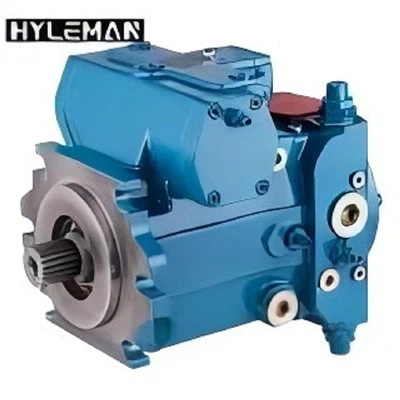
Speed and Torque Requirements: For example, if you're working on a high - speed pick - and - place robot, you'll need a servo motor that can reach high speeds quickly. On the other hand, if you're dealing with a large, heavy - duty machine like a press, you'll need a motor that can provide high torque. You can check out our High Torque Physis Hydraulic Servo Motor which is designed for applications that require a lot of torque.
-
Accuracy and Precision: Some applications, such as laser cutting or 3D printing, demand extremely high accuracy and precision. You'll need a servo motor that can position itself precisely and repeat that position over and over again.
2. Consider the Motor Type
There are different types of servo motors out there, and each has its own pros and cons.
-
DC Servo Motors: These are great for applications that require a wide speed range and good torque control at low speeds. They're relatively simple and easy to control, making them a popular choice for small - scale projects and hobbyist applications.

-
AC Servo Motors: AC servo motors are more commonly used in industrial applications. They can handle higher power levels, have better dynamic performance, and are more reliable in the long run. Our Hysis Servo Motor is an AC servo motor that offers excellent performance and reliability.
-
Hydraulic Servo Motors: As the name suggests, these motors use hydraulic power. They're known for their high torque output and are often used in heavy - duty applications where large forces are required.
3. Evaluate the Motor Size and Dimensions
The physical size of the servo motor matters, especially if you're working in a confined space. You need to make sure that the motor will fit into your system without any issues.
-
Shaft Size: The size of the motor shaft is important as it needs to match the coupling or the driven mechanism. A mismatched shaft size can lead to problems with power transmission and alignment.
-
Mounting Options: Different motors come with different mounting options. You need to choose a motor that can be easily mounted in your system, whether it's a flange mount, a foot mount, or some other type.
4. Check the Motor's Power and Voltage Requirements
The power and voltage requirements of the servo motor are also key factors to consider.
-
Power Rating: The power rating of the motor determines how much work it can do. You need to choose a motor with a power rating that is suitable for your application. If the motor is under - powered, it won't be able to perform the task efficiently. On the other hand, an over - powered motor will be a waste of energy and money.
-
Voltage Compatibility: You need to make sure that the motor's voltage requirements match the power supply available in your system. Using a motor with the wrong voltage can damage the motor or even pose a safety hazard.
5. Look at the Motor's Feedback System
A good feedback system is essential for a servo motor. It allows the motor controller to monitor the motor's position, speed, and torque and make adjustments as needed.
- Encoders: Encoders are one of the most common feedback devices used in servo motors. They provide information about the motor's position and speed, which helps the controller to maintain accurate control. There are different types of encoders, such as incremental encoders and absolute encoders. Absolute encoders are more accurate as they can provide the exact position of the motor without the need for a reference point.
6. Consider the Motor's Drive and Control System
The drive and control system of the servo motor work together to make the motor perform as required.
-
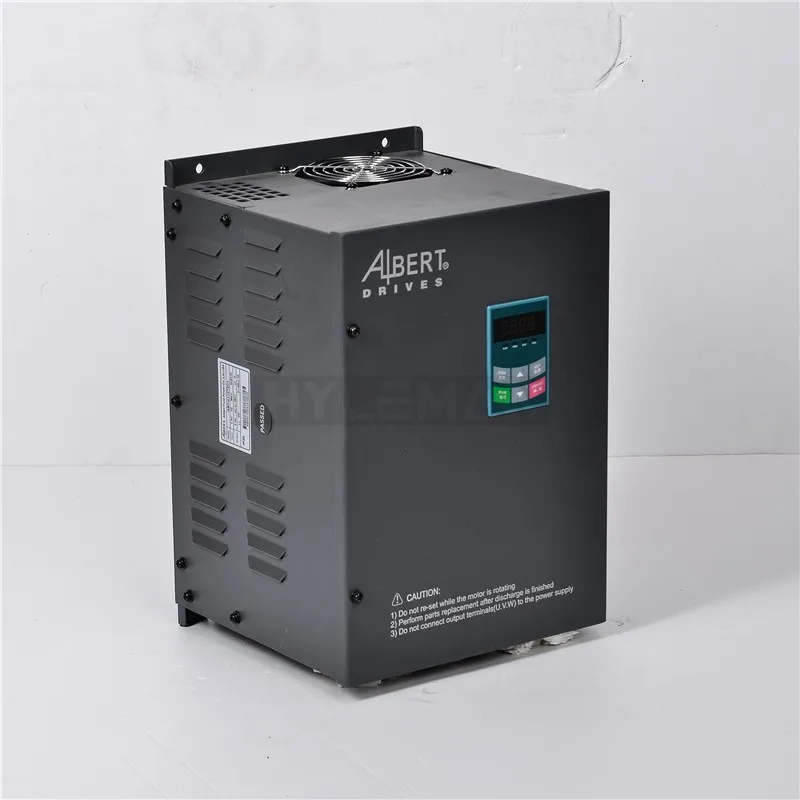
Drive Compatibility: The motor needs to be compatible with the drive system. Our Servo Motor with Drive is designed to work seamlessly together, providing optimal performance and ease of use.
-
Control Algorithms: The control algorithms used in the drive system can have a big impact on the motor's performance. Advanced control algorithms can improve the motor's speed and torque control, as well as its response time.
7. Look at the Manufacturer's Reputation and Support
When choosing a servo motor, it's important to consider the manufacturer's reputation and the support they offer.
-
Reputation: A manufacturer with a good reputation is more likely to produce high - quality products. You can look for reviews and testimonials from other customers to get an idea of the manufacturer's reputation.
-
Support: You'll want a manufacturer that offers good technical support. This includes things like installation assistance, troubleshooting help, and access to spare parts.
8. Cost - Benefit Analysis
Last but not least, you need to do a cost - benefit analysis. The cost of the servo motor is an important factor, but you also need to consider the long - term benefits.
-
Initial Cost: The initial cost of the motor includes the purchase price, as well as any additional costs such as installation and commissioning. You need to find a motor that offers good value for money.
-
Long - Term Costs: Long - term costs include things like energy consumption, maintenance, and the cost of replacement parts. A more expensive motor may be more energy - efficient and require less maintenance, which can save you money in the long run.
So, there you have it! These are the main factors to consider when choosing a servo motor. If you're still not sure which motor is right for your application, don't hesitate to reach out to us. We're here to help you make the best choice for your needs. Whether you're a small business or a large industrial company, we can provide you with high - quality servo motors and excellent support. Contact us today to start the procurement process and let's discuss how we can help you with your servo motor needs.
References
- Servo Motor Handbook, various industry publications
- Technical documents from servo motor manufacturers