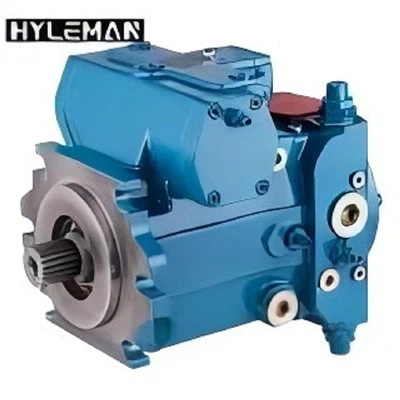
In the realm of hydraulic systems, variable piston pumps play a pivotal role in a wide range of industrial applications. As a dedicated supplier of variable piston pumps, I understand the significance of efficiency in these crucial components. Efficiency not only impacts the performance of the pump itself but also has far - reaching implications for the overall productivity and cost - effectiveness of the hydraulic system. In this blog, I will share some practical strategies on how to improve the efficiency of a variable piston pump.
Understanding the Basics of Variable Piston Pumps
Before delving into the ways to enhance efficiency, it is essential to have a clear understanding of how variable piston pumps work. A variable piston pump is a type of Positive Displacement Piston Pump that can adjust the volume of fluid it delivers per revolution. This adjustability is a key feature that allows the pump to meet the varying demands of different hydraulic systems.
The basic principle behind a variable piston pump involves a set of pistons that reciprocate within cylinders. As the pistons move, they create a change in volume, which in turn draws in and expels fluid. The displacement of the pump can be altered by changing the angle of a swashplate or a cam, which controls the stroke length of the pistons.
Selecting the Right Pump for the Application
One of the fundamental steps in improving the efficiency of a variable piston pump is to select the right pump for the specific application. Using an oversized pump can lead to excessive energy consumption, while an undersized pump may not be able to meet the system's requirements, resulting in reduced performance.
When choosing a pump, consider factors such as the required flow rate, pressure, and operating speed. For example, if the application requires a high - pressure and low - flow rate, a pump with a smaller displacement and a higher pressure rating would be more suitable. On the other hand, applications that demand a large volume of fluid at a relatively low pressure may benefit from a pump with a larger displacement. Our company offers a wide range of Variable Piston Pump PV046 PV063 PV080 PV092 PV140 PV180 PV270 PV360 Parker PV Piston Pump models, each designed to meet different application needs.
Proper Installation and Alignment
Proper installation and alignment of the variable piston pump are crucial for its efficient operation. Misalignment can cause excessive wear on the pump's components, increase friction, and lead to energy losses.
During installation, ensure that the pump is mounted securely on a stable base. The input shaft of the pump should be properly aligned with the drive shaft of the motor or engine. Even a small misalignment can result in vibrations, which can damage the pump and reduce its efficiency over time. It is also important to follow the manufacturer's guidelines regarding the installation of hoses, fittings, and other components to ensure a leak - free and efficient system.
Maintaining Optimal Fluid Conditions
The quality and condition of the hydraulic fluid used in the variable piston pump have a significant impact on its efficiency. Contaminated or degraded fluid can cause increased wear on the pump's internal components, reduce lubrication, and lead to blockages in the system.
Regularly check the fluid level and quality. The fluid should be clean and free from dirt, debris, and moisture. Use a high - quality hydraulic fluid that is compatible with the pump and the operating conditions. The viscosity of the fluid is also important, as it affects the pump's performance. Operating the pump with a fluid of the wrong viscosity can result in increased energy consumption and reduced efficiency.
In addition to monitoring the fluid, it is essential to change the fluid and the filters at regular intervals. This helps to remove any contaminants that may have accumulated in the system and ensures that the pump is operating with clean fluid.
Optimizing Pump Control
Modern variable piston pumps are often equipped with advanced control systems that allow for precise adjustment of the pump's output. By optimizing the pump control, it is possible to match the pump's flow and pressure to the actual requirements of the hydraulic system, thereby improving efficiency.
For example, load - sensing control systems can automatically adjust the pump's displacement based on the load demand. When the system requires less fluid, the pump reduces its output, saving energy. Proportional control systems can also be used to provide a more precise and responsive control of the pump's operation.
Another aspect of pump control is the use of speed control. By adjusting the speed of the pump motor, it is possible to optimize the pump's performance and energy consumption. Variable frequency drives (VFDs) can be used to control the speed of the motor, allowing for smooth and efficient operation.
Regular Maintenance and Inspection
Regular maintenance and inspection are essential for ensuring the long - term efficiency of a variable piston pump. A well - maintained pump is less likely to experience breakdowns and will operate more efficiently.
During maintenance, check the pump's components for wear and damage. Replace any worn or damaged parts promptly to prevent further damage to the pump. Inspect the seals and gaskets for leaks and replace them if necessary. Also, check the pump's valves and other control components to ensure that they are functioning properly.
In addition to regular maintenance, perform periodic inspections of the pump's performance. Monitor the pump's flow rate, pressure, and temperature to detect any signs of abnormal operation. By identifying and addressing issues early, it is possible to prevent major problems and maintain the pump's efficiency.
Upgrading to Newer Technologies
As technology advances, newer and more efficient variable piston pump designs become available. Upgrading to a newer model can significantly improve the efficiency of the hydraulic system.


Newer pumps often incorporate features such as improved materials, better sealing technologies, and more advanced control systems. For example, some pumps use advanced variable - displacement mechanisms that can provide more precise control and higher efficiency. Additionally, newer pumps may be designed to operate at higher pressures and flow rates with less energy consumption.
Our company offers a range of Eaton Hydraulic Plunger Pump models that feature the latest technologies, providing customers with more efficient and reliable solutions.
Conclusion
Improving the efficiency of a variable piston pump is a multi - faceted process that involves proper selection, installation, maintenance, and control. By following the strategies outlined in this blog, it is possible to enhance the performance of the pump, reduce energy consumption, and extend its service life.
As a supplier of variable piston pumps, we are committed to providing our customers with high - quality products and expert advice. If you are interested in improving the efficiency of your hydraulic system or are looking for a reliable variable piston pump, we encourage you to contact us for a detailed discussion. Our team of experts will be happy to assist you in finding the best solution for your specific needs.
References
- Hydraulic Pumps and Motors: Theory, Design, and Application. By Donald L. Farrar.
- Fluid Power with Applications. By Anthony Esposito.
- Handbook of Hydraulic Engineering. Edited by Victor L. Streeter.