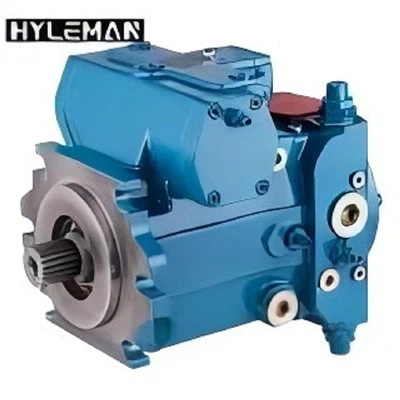
In today's industrial landscape, energy efficiency has become a critical concern for businesses across various sectors. As a leading servo system supplier, we understand the importance of optimizing energy consumption in servo systems to reduce operational costs and environmental impact. In this blog post, we will explore several strategies and technologies that can help improve the energy efficiency of a servo system.
Understanding Servo Systems
Before delving into energy - efficiency improvement methods, it is essential to understand what a servo system is. A servo system is a closed - loop control system that uses feedback to accurately control the position, velocity, or torque of a mechanical component. It typically consists of a servo motor, a servo drive, and a feedback device such as an encoder. Servo systems are widely used in industrial automation, robotics, and other applications where precise motion control is required.
1. Selecting High - Efficiency Components
One of the most effective ways to improve the energy efficiency of a servo system is to start with high - efficiency components. When choosing a servo motor, look for motors with high power density and low losses. Permanent magnet synchronous motors (PMSMs) are often a good choice as they offer high efficiency, especially at partial loads.
For the servo drive, modern drives with advanced control algorithms can significantly improve energy efficiency. These drives can adjust the voltage and frequency supplied to the motor according to the load requirements, reducing energy waste. For example, our Taiwan Delta Hybrid Servo Driver is designed with state - of - the - art technology to optimize energy consumption while providing precise control.
2. Proper Sizing of the Servo System
Oversizing a servo system can lead to unnecessary energy consumption. When sizing a servo system, it is crucial to accurately calculate the load requirements, including the torque, speed, and inertia. An oversized motor will draw more current than necessary, resulting in higher energy consumption. On the other hand, an undersized motor may not be able to meet the load requirements, leading to inefficiencies and potential system failures.
Our engineering team can assist you in accurately sizing the servo system for your specific application. By considering factors such as the type of load, duty cycle, and required accuracy, we can ensure that you get a servo system that is both efficient and reliable.
3. Implementing Energy - Saving Control Strategies
Advanced control strategies can play a significant role in improving the energy efficiency of a servo system. For instance, regenerative braking is a technique that allows the servo motor to recover energy during deceleration. When the motor is decelerating, it acts as a generator, converting the kinetic energy of the load into electrical energy. This energy can then be fed back into the power supply or stored for later use.
Another control strategy is the use of variable speed drives. By adjusting the speed of the servo motor according to the load requirements, variable speed drives can reduce energy consumption. For example, in applications where the load varies over time, such as in a conveyor system, a variable speed drive can slow down the motor when the load is light, saving energy.
4. Regular Maintenance and Monitoring
Regular maintenance of the servo system is essential for ensuring optimal energy efficiency. Over time, components such as motors and drives can wear out, leading to increased energy consumption. By performing regular inspections, cleaning, and lubrication, you can prevent these issues and keep the system running efficiently.
Monitoring the energy consumption of the servo system is also crucial. By using energy meters and monitoring software, you can track the energy usage of the system and identify areas where improvements can be made. For example, if you notice that the energy consumption of a particular servo motor is higher than normal, it may indicate a problem with the motor or the drive.
5. Application - Specific Optimization
Different applications have different energy - efficiency requirements. For example, in a Servo System For Injection Moulding Machine, the energy efficiency can be improved by optimizing the injection and clamping processes. By adjusting the speed and pressure of the servo motor during these processes, you can reduce energy consumption while maintaining the quality of the molded products.


In a servo pump system, such as a Servo Pump Motor, the energy efficiency can be enhanced by using a variable displacement pump. A variable displacement pump can adjust the flow rate according to the load requirements, reducing energy waste.
Conclusion
Improving the energy efficiency of a servo system is a multi - faceted approach that involves selecting high - efficiency components, proper sizing, implementing energy - saving control strategies, regular maintenance, and application - specific optimization. As a servo system supplier, we are committed to providing our customers with high - quality, energy - efficient servo systems and solutions.
If you are interested in improving the energy efficiency of your servo system or are looking for a reliable servo system supplier, we encourage you to contact us for a consultation. Our team of experts will work with you to understand your specific requirements and provide you with the best solutions.
References
- "Servo Motors and Drives: Fundamentals, Types, and Applications" by Peter Nachtwey
- "Energy - Efficient Electric Motor Systems" by the U.S. Department of Energy