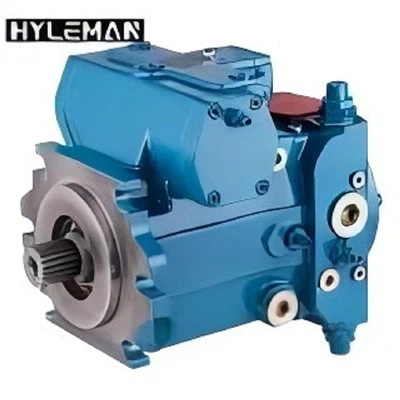
Hey there! As a piston pump supplier, I've seen firsthand how crucial it is to monitor the operation of these pumps. Whether you're using a piston pump in an industrial setting, a hydraulic system, or any other application, keeping a close eye on its performance can save you a ton of time, money, and headaches down the road. In this blog post, I'm gonna walk you through some key steps and tips on how to effectively monitor the operation of a piston pump.
Understanding the Basics: What's a Piston Pump?
Before we dive into monitoring, let's quickly go over what a piston pump is. A piston pump is a type of positive displacement pump that uses pistons moving back and forth in cylinders to create a vacuum and draw in fluid, then push it out under pressure. These pumps are known for their high efficiency, reliability, and ability to handle a wide range of fluids.
We offer a wide variety of piston pumps, including the Variable Piston Pump PV046 PV063 PV080 PV092 PV140 PV180 PV270 PV360 Parker PV Piston Pump. These pumps are designed to meet the diverse needs of different industries, from manufacturing to construction.


Step 1: Set Up the Right Monitoring Equipment
The first step in monitoring a piston pump's operation is to set up the right equipment. This typically includes sensors that can measure various parameters such as pressure, temperature, flow rate, and vibration.
- Pressure Sensors: These are essential for monitoring the pressure at the inlet and outlet of the pump. Abnormal pressure readings can indicate issues like blockages, leaks, or a malfunctioning valve.
- Temperature Sensors: Piston pumps generate heat during operation, and excessive heat can damage the pump components. By monitoring the temperature, you can catch potential problems early and prevent costly breakdowns.
- Flow Rate Sensors: Measuring the flow rate of the fluid through the pump helps ensure that it's operating at the desired capacity. A sudden drop in flow rate could be a sign of a problem with the pump or the system it's connected to.
- Vibration Sensors: Excessive vibration can indicate issues such as misalignment, worn bearings, or cavitation. By monitoring vibration levels, you can detect these problems before they cause significant damage.
Step 2: Establish Baseline Data
Once you've set up the monitoring equipment, the next step is to establish baseline data. This involves running the pump under normal operating conditions and recording the readings from the sensors. The baseline data serves as a reference point for future comparisons, allowing you to identify any deviations from normal operation.
For example, let's say you're monitoring a Hydraulic Pump A1vo018DNC20010brva2K31000000 A1vo018 A1vo18. You run the pump for a few hours and record the pressure, temperature, flow rate, and vibration levels at regular intervals. This data will give you an idea of what "normal" looks like for this particular pump.
Step 3: Regularly Monitor and Analyze the Data
Once you have the baseline data, it's important to regularly monitor and analyze the sensor readings. This can be done manually by checking the readings on a regular basis or automatically using a monitoring system that can collect and analyze the data in real-time.
When analyzing the data, look for any trends or patterns that could indicate a problem. For example, if the pressure at the outlet of the pump has been gradually increasing over time, it could be a sign of a blockage in the system. Similarly, if the temperature of the pump is rising steadily, it could indicate a malfunction in the cooling system.
Step 4: Conduct Preventive Maintenance
In addition to monitoring the pump's operation, it's also important to conduct preventive maintenance on a regular basis. This includes tasks such as changing the oil, replacing worn parts, and cleaning the pump.
Using high-quality spare parts is crucial for the long-term performance of the pump. We offer Quality GM05 - 07va/GM08 - 23/GM30h/GM35va/GM38vb Nabtesco Hydraulic Piston Repair Kits, which are designed to ensure the reliability and efficiency of your piston pumps.
Step 5: Keep a Maintenance Log
Finally, it's a good idea to keep a maintenance log for the piston pump. This log should include information such as the date of maintenance, the tasks that were performed, and any issues that were identified. By keeping a detailed maintenance log, you can track the pump's performance over time and easily identify any patterns or trends.
Signs of Trouble: What to Look Out For
Even with regular monitoring and maintenance, problems can still occur. Here are some signs that could indicate a problem with your piston pump:
- Noise: Unusual noises such as knocking, rattling, or whining can be a sign of a mechanical problem, such as a worn bearing or a loose component.
- Leakage: Any signs of fluid leakage around the pump or the connections could indicate a seal failure or a crack in the pump housing.
- Overheating: If the pump is running hotter than normal, it could be a sign of a problem with the cooling system, excessive friction, or a malfunctioning valve.
- Reduced Performance: A decrease in flow rate, pressure, or efficiency could indicate a blockage, a worn piston, or a problem with the control system.
If you notice any of these signs, it's important to take action immediately to prevent further damage to the pump.
Conclusion: Stay on Top of Your Piston Pump's Performance
Monitoring the operation of a piston pump is an ongoing process that requires attention to detail and regular maintenance. By setting up the right monitoring equipment, establishing baseline data, regularly analyzing the data, conducting preventive maintenance, and keeping a maintenance log, you can ensure that your piston pump operates efficiently and reliably for years to come.
If you're in the market for a new piston pump or need high-quality spare parts, I'd love to help you out. We've got a great selection of pumps and parts to meet your needs. Just reach out and we can start a conversation about your requirements.
References
- Fluid Power Handbook. Industrial Press Inc.
- Pumps and Pumping Systems. McGraw - Hill Education.