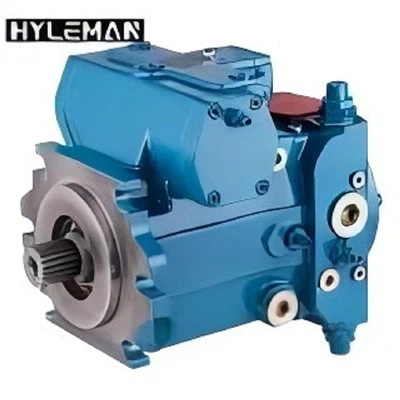
Hey there! I'm a supplier of Vickers Piston Pumps, and today I wanna talk about how to stop a Vickers Piston Pump safely. It's super important to do this right to avoid any damage to the pump and keep the whole hydraulic system running smoothly.
Understanding the Basics
First off, let's get a bit of background. Vickers Piston Pumps are known for their high - performance and reliability in hydraulic systems. They work by using pistons to create pressure and move fluid. But like any piece of machinery, they need to be shut down properly.
Before you even think about stopping the pump, you gotta make sure you understand the system it's a part of. Check the hydraulic circuit diagram. This will show you how the pump is connected to other components like valves, cylinders, and reservoirs. Knowing this layout helps you anticipate any potential issues when you stop the pump.
Pre - Stop Checks
Before hitting that stop button, there are a few things you should do. First, reduce the load on the pump. If the pump is working under a heavy load, suddenly stopping it can cause a pressure spike. This spike can damage the pump and other components in the system.
To reduce the load, you can adjust the valves in the hydraulic system. Close any valves that are directing high - pressure fluid to the working components. This way, the pump isn't pushing as hard, and it's easier to stop safely.
Also, check the fluid level in the reservoir. Make sure it's at the proper level. If the fluid level is too low, the pump can suck in air, which can lead to cavitation. Cavitation is when air bubbles form in the fluid and then collapse, causing damage to the pump's internal components.
Stopping the Pump
Once you've done the pre - stop checks, it's time to actually stop the pump. If your pump has a control panel, you'll usually find a stop button there. Press it gently. Don't just slam it down. Some pumps might have a more complex control system, and you might need to follow a specific sequence of steps.
After you press the stop button, listen to the pump. You should hear it gradually slow down. If you hear any strange noises, like grinding or rattling, it could mean there's a problem. In that case, don't just ignore it. You might need to troubleshoot the issue right away.


Post - Stop Procedures
After the pump has stopped, there are still a few things to do. First, release any remaining pressure in the system. You can do this by opening the relief valves. This will let the high - pressure fluid flow back to the reservoir in a controlled way.
Next, check the pump for any signs of leaks. Look around the seals and connections. If you see any fluid dripping, it could mean there's a problem with the seals. You'll need to fix this as soon as possible to prevent further damage.
Also, take a look at the pump's temperature. If it's still very hot, give it some time to cool down. Overheating can cause damage to the pump's internal components over time.
Safety Precautions
Throughout the whole process of stopping the pump, safety should be your top priority. Wear appropriate safety gear, like gloves and safety glasses. Hydraulic fluid can be dangerous if it comes into contact with your skin or eyes.
If you're working on a large hydraulic system, make sure there are clear signs indicating that the pump is being shut down. This will prevent other people from accidentally starting the pump while you're working on it.
Related Products
If you're in the market for other types of piston pumps, we also offer some great options. Check out the Parker Hydraulic Piston Pump, Pavc - 33br224 23. It's a high - quality pump that can meet a variety of hydraulic needs.
Another option is the R902408312p A4vsg125 Eo1/30r - Ppb10K010n Axial Piston Pumps. These pumps are known for their durability and efficiency.
And if you're looking for an original axial piston pump, the Original Axial Piston Pump A10vso 28dr/31r 45dr/31r 71dr/31r 100dr/31r A10vso28dflr/31r - Vpa12n00 is a great choice.
Conclusion
Stopping a Vickers Piston Pump safely is all about following the right steps. From pre - stop checks to post - stop procedures, every step is important. By doing it right, you can extend the life of your pump and keep your hydraulic system running at its best.
If you have any questions about Vickers Piston Pumps or other related products, or if you're interested in purchasing, feel free to reach out. We're here to help you make the best choices for your hydraulic needs.
References
- Hydraulic Systems Handbook
- Vickers Piston Pump Manufacturer's Manual