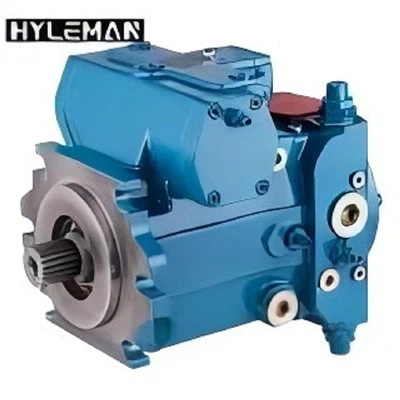
In the dynamic landscape of fluid power technology, radial piston pumps have long been a cornerstone of high - performance hydraulic systems. As a leading supplier of radial piston pumps, we are at the forefront of witnessing and driving the latest technological advancements in this field. In this blog, we will explore some of the most significant developments that are shaping the future of radial piston pump design.
Advanced Materials and Manufacturing Techniques
One of the key areas of advancement in radial piston pump design is the use of advanced materials. Traditional materials like cast iron and steel are being supplemented, and in some cases, replaced by lighter and more durable materials. For instance, the incorporation of high - strength aluminum alloys has become increasingly popular. These alloys offer a significant reduction in weight without sacrificing the pump's structural integrity. This is particularly beneficial in applications where weight is a critical factor, such as in mobile hydraulic equipment.
In addition to new materials, advanced manufacturing techniques are also revolutionizing the production of radial piston pumps. Precision machining processes, such as computer - numerical - control (CNC) machining, allow for extremely accurate and consistent manufacturing of pump components. This results in pumps with higher efficiency and better performance. For example, the pistons and cylinders can be machined to very tight tolerances, reducing internal leakage and improving the overall volumetric efficiency of the pump.
Enhanced Efficiency and Energy Savings
Efficiency is a major concern in modern hydraulic systems, and radial piston pumps are no exception. Recent advancements in pump design focus on reducing energy losses and improving overall efficiency. One such development is the use of variable displacement technology. By adjusting the displacement of the pump according to the system's demand, energy consumption can be significantly reduced. This is especially important in applications where the load varies widely, such as in construction equipment.
Another approach to improving efficiency is the optimization of the pump's internal flow paths. By carefully designing the shape and size of the flow channels, the resistance to fluid flow can be minimized. This not only reduces energy losses but also improves the pump's response time. For example, some modern radial piston pumps feature streamlined flow paths that allow for smoother and more efficient fluid transfer.


Intelligent Control Systems
The integration of intelligent control systems is another significant advancement in radial piston pump design. These systems use sensors and microprocessors to monitor and adjust the pump's performance in real - time. For example, sensors can measure parameters such as pressure, temperature, and flow rate, and the control system can adjust the pump's displacement or speed accordingly. This allows for more precise control of the hydraulic system and can improve the overall performance and reliability of the equipment.
Intelligent control systems also enable predictive maintenance. By continuously monitoring the pump's operating conditions, the system can detect potential problems before they cause a breakdown. This can save time and money by reducing unplanned downtime and extending the service life of the pump.
Noise Reduction
Noise is a common issue in hydraulic systems, and radial piston pumps are no exception. However, recent advancements in pump design have focused on reducing noise levels. One approach is the use of advanced damping materials and techniques. For example, some pumps are designed with rubber or elastomeric components that absorb vibrations and reduce noise.
Another method is the optimization of the pump's operating speed and displacement. By operating the pump at an optimal speed and displacement, the noise generated by the pump can be minimized. This is particularly important in applications where noise is a concern, such as in indoor or residential settings.
Comparison with Other Hydraulic Pumps
When comparing radial piston pumps with other types of hydraulic pumps, such as Hydraulic Variable Displacement Piston Pumps, Linde Hydraulic Piston Pump, and Parker Pgp/Pgm365 Fixed Cast Iron Gear Pump, radial piston pumps offer several advantages. They typically have a higher pressure rating and better volumetric efficiency, which makes them suitable for high - pressure applications. Additionally, their compact design and ability to handle high - speed operation make them a popular choice in many industries.
Applications of Advanced Radial Piston Pumps
The latest advancements in radial piston pump design have opened up new applications in various industries. In the automotive industry, radial piston pumps are used in power steering systems, where their high efficiency and precise control are essential. In the aerospace industry, they are used in hydraulic actuators for flight control surfaces, where reliability and performance are critical.
In the construction industry, radial piston pumps are used in heavy equipment such as excavators and loaders. Their ability to handle high pressures and variable loads makes them ideal for these applications. In the manufacturing industry, they are used in machine tools and industrial automation systems, where accurate control of hydraulic power is required.
Future Trends
Looking ahead, we can expect to see even more exciting developments in radial piston pump design. One trend is the further integration of digital technologies, such as the Internet of Things (IoT). This will allow for even more precise monitoring and control of the pump's performance, as well as better communication between the pump and other components in the hydraulic system.
Another trend is the development of more environmentally friendly pumps. This includes the use of biodegradable hydraulic fluids and the design of pumps that are more energy - efficient and have a lower carbon footprint.
As a supplier of radial piston pumps, we are committed to staying at the forefront of these technological advancements. We continuously invest in research and development to bring the latest and most innovative products to our customers. If you are interested in learning more about our radial piston pumps or have any specific requirements for your hydraulic system, we encourage you to contact us for a detailed discussion. Our team of experts is ready to assist you in finding the best solution for your needs.
References
- Fluid Power Handbook, various editions
- Journal of Hydraulic Engineering
- Proceedings of the International Conference on Fluid Power and Motion Control