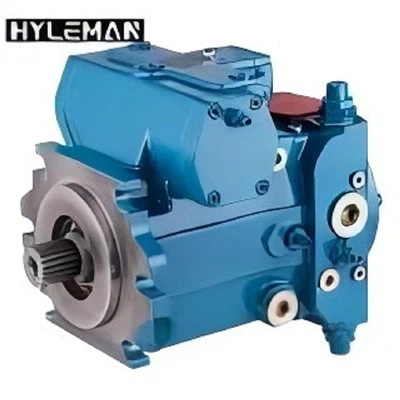
In the realm of fluid transfer and pumping systems, two types of pumps stand out for their unique characteristics and applications: single piston pumps and diaphragm pumps. As a supplier of single piston pumps, I've witnessed firsthand the diverse needs of industries and the importance of choosing the right pump for the job. In this blog post, I'll delve into the differences between these two pump types, highlighting their working principles, performance features, and typical applications.
Working Principles
Single Piston Pump
A single piston pump operates on a reciprocating motion principle. It consists of a piston that moves back and forth within a cylinder. When the piston moves in one direction (usually outward), it creates a vacuum inside the cylinder. This vacuum draws fluid into the cylinder through an inlet valve. As the piston moves in the opposite direction (inward), it compresses the fluid, closing the inlet valve and forcing the fluid out through an outlet valve. This simple yet effective mechanism allows for the transfer of fluids under pressure.
The design of a single piston pump is relatively straightforward, with a few key components. The piston is typically connected to a crankshaft or a cam mechanism, which converts rotational motion into linear motion. The inlet and outlet valves are crucial for controlling the flow of fluid and ensuring that it moves in the desired direction.
Diaphragm Pump
A diaphragm pump, on the other hand, uses a flexible diaphragm to create a pumping action. The diaphragm is usually made of rubber or other elastomeric materials and is connected to a mechanism that causes it to flex back and forth. When the diaphragm flexes away from the pump chamber, it creates a vacuum, drawing fluid into the chamber through an inlet valve. As the diaphragm flexes back towards the chamber, it compresses the fluid, closing the inlet valve and forcing the fluid out through an outlet valve.
Diaphragm pumps can be powered by various means, including air, electricity, or hydraulics. Air-operated diaphragm pumps are particularly popular due to their simplicity and reliability. They use compressed air to drive the diaphragm, making them suitable for a wide range of applications, especially in hazardous environments where electrical pumps may pose a risk.
Performance Features
Flow Rate and Pressure
One of the key differences between single piston pumps and diaphragm pumps lies in their flow rate and pressure capabilities. Single piston pumps are generally capable of generating higher pressures compared to diaphragm pumps. This is because the piston can exert a significant amount of force on the fluid, allowing it to overcome higher resistance in the system. As a result, single piston pumps are often used in applications where high-pressure fluid transfer is required, such as in hydraulic systems or in some industrial processes.
However, in terms of flow rate, diaphragm pumps can offer a more consistent and steady flow. The flexible diaphragm allows for a smooth and continuous pumping action, which can be beneficial in applications where a constant flow rate is essential. Diaphragm pumps are also capable of handling a wide range of flow rates, from low to high, depending on the size and design of the pump.
Efficiency and Energy Consumption
Efficiency is another important factor to consider when comparing single piston pumps and diaphragm pumps. Single piston pumps tend to be more efficient at higher pressures, as they can convert a larger proportion of the input energy into useful work. However, at lower pressures, their efficiency may decrease due to factors such as friction and leakage.
Diaphragm pumps, on the other hand, are generally more energy-efficient at lower pressures. The flexible diaphragm design reduces the amount of energy lost to friction and allows for a more efficient transfer of fluid. Additionally, air-operated diaphragm pumps can be particularly energy-efficient, as they use compressed air as a power source, which can be more cost-effective in some applications.
Maintenance and Durability
Maintenance requirements and durability are also significant differences between the two pump types. Single piston pumps typically have more moving parts compared to diaphragm pumps, which can increase the likelihood of wear and tear. The piston, valves, and seals in a single piston pump need to be regularly inspected and replaced to ensure optimal performance. However, with proper maintenance, single piston pumps can have a long service life and can withstand harsh operating conditions.
Diaphragm pumps, on the other hand, have fewer moving parts, which generally means less maintenance. The diaphragm is the main component that requires attention, and it may need to be replaced periodically depending on the application and the type of fluid being pumped. However, diaphragm pumps are often more resistant to corrosion and abrasion, making them suitable for handling aggressive or abrasive fluids.
Typical Applications
Single Piston Pump Applications
Single piston pumps are commonly used in a variety of industries and applications. Some of the typical uses include:
- Hydraulic Systems: Single piston pumps are widely used in hydraulic systems to generate high-pressure fluid for powering hydraulic cylinders, motors, and other components. They are essential for applications such as construction equipment, agricultural machinery, and industrial automation.
- Oil and Gas Industry: In the oil and gas industry, single piston pumps are used for various tasks, including well stimulation, pipeline testing, and chemical injection. Their ability to generate high pressures makes them suitable for handling viscous fluids and for operating in harsh environments.
- Industrial Processes: Single piston pumps are also used in many industrial processes, such as food and beverage production, pharmaceutical manufacturing, and chemical processing. They can be used for tasks such as transferring high-viscosity fluids, metering chemicals, and providing pressure for filtration systems.
If you're interested in learning more about single piston pumps for specific applications, you can check out our Piston Transfer Pump, K7V63 Gear Pump Pilot Pump, and High Pressure Hydraulic Piston Pump product pages.
Diaphragm Pump Applications
Diaphragm pumps are equally versatile and are used in a wide range of applications. Some of the common uses include:
- Chemical and Pharmaceutical Industry: Diaphragm pumps are ideal for handling corrosive and hazardous chemicals in the chemical and pharmaceutical industries. Their ability to provide a leak-free and contamination-free pumping solution makes them suitable for applications such as chemical transfer, dosing, and filling.
- Water and Wastewater Treatment: Diaphragm pumps are often used in water and wastewater treatment plants for tasks such as sludge transfer, chemical dosing, and filtration. Their ability to handle abrasive and viscous fluids makes them well-suited for these applications.
- Food and Beverage Industry: In the food and beverage industry, diaphragm pumps are used for transferring liquids such as milk, juices, and syrups. Their hygienic design and ability to handle delicate fluids make them a popular choice for food processing applications.
Conclusion
In conclusion, single piston pumps and diaphragm pumps have distinct differences in their working principles, performance features, and applications. Single piston pumps are known for their high-pressure capabilities and are often used in applications where high-pressure fluid transfer is required. Diaphragm pumps, on the other hand, offer a more consistent flow rate, better energy efficiency at lower pressures, and are suitable for handling a wide range of fluids, including corrosive and abrasive ones.
When choosing between a single piston pump and a diaphragm pump, it's important to consider the specific requirements of your application, such as flow rate, pressure, fluid type, and operating environment. As a supplier of single piston pumps, I can provide you with expert advice and high-quality products to meet your needs. If you're interested in discussing your pumping requirements or would like to explore our range of single piston pumps, please don't hesitate to contact us for a consultation. We're here to help you find the best pumping solution for your business.


References
- "Pump Handbook" by Igor J. Karassik et al.
- "Fluid Mechanics and Hydraulic Machines" by R. K. Bansal.
- Industry standards and technical literature related to single piston pumps and diaphragm pumps.