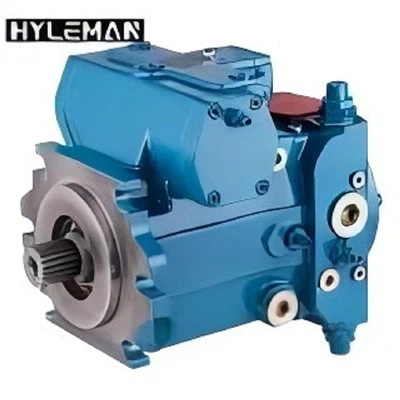
Hey there! As a supplier of servo pumps, I've seen firsthand how various factors can impact the performance of these crucial pieces of equipment. One issue that often flies under the radar but can have a significant effect is the presence of air in the oil. In this blog post, I'll break down what happens when air gets into the oil of a servo pump, why it matters, and what you can do about it.
How Air Gets into the Oil
First things first, let's talk about how air manages to sneak into the oil in the first place. There are a few common culprits. One is poor sealing. Over time, the seals in a servo pump can wear out or get damaged. When this happens, air can seep in through the tiny gaps. Another cause can be improper filling of the oil reservoir. If the oil isn't filled correctly, or if the reservoir is not vented properly, air can get trapped inside.
Also, cavitation can play a role. Cavitation occurs when the pressure in a fluid drops below its vapor pressure, causing bubbles to form. These bubbles can then collapse, releasing energy and potentially allowing air to enter the system.
The Effect on Performance
Once air is in the oil, it can have a whole host of negative effects on the performance of the servo pump.
- Reduced Efficiency: Air is compressible, while oil is not. When there's air in the oil, the pump has to work harder to move the air - oil mixture. This is because the air gets compressed and expands with each stroke of the pump, which means not all of the energy is going towards moving the fluid to where it needs to go. As a result, the pump's efficiency goes down, and you end up using more energy to achieve the same output.
- Noise and Vibration: Have you ever heard a servo pump making strange noises or vibrating more than usual? Air in the oil could be the culprit. The collapsing air bubbles during cavitation create shockwaves that cause noise and vibration. This not only makes the pump operation unpleasant but can also be a sign of potential damage. Excessive vibration can loosen parts over time, leading to leaks and other mechanical issues.
- Inaccurate Control: Servo pumps are designed to provide precise control over fluid flow and pressure. However, the presence of air in the oil can throw off this precision. The compressible nature of air makes it difficult to predict how the fluid will behave under pressure. This can lead to inconsistent performance, making it challenging to maintain the desired level of control in your hydraulic system.
Impact on Pump Components
Air in the oil doesn't just affect the overall performance of the pump; it can also take a toll on its individual components.


- Wear and Tear: The shockwaves created by cavitation can cause pitting and erosion on the internal surfaces of the pump. This wear and tear reduces the lifespan of the components, leading to more frequent maintenance and replacement. For example, the pistons, valves, and seals are all at risk of damage from the constant impact of the collapsing air bubbles.
- Oxidation and Contamination: Air contains oxygen, and when it's in contact with the oil for an extended period, it can cause oxidation. Oxidized oil becomes thicker and less effective at lubricating the pump's components. Additionally, the presence of air can also introduce contaminants into the system, further degrading the oil quality and increasing the risk of component failure.
Preventive Measures
So, what can you do to prevent air from getting into the oil of your servo pump?
- Regular Maintenance: This is key. Make sure to check the seals regularly and replace them if they show signs of wear or damage. Also, keep an eye on the oil level and quality. Change the oil at the recommended intervals to prevent oxidation and contamination.
- Proper Installation: When installing a servo pump, pay close attention to the filling and venting procedures. Follow the manufacturer's instructions carefully to ensure that the oil reservoir is filled correctly and that there are no air pockets.
- Use of Anti - Foaming Agents: Adding anti - foaming agents to the oil can help reduce the formation of air bubbles. These agents work by reducing the surface tension of the oil, making it more difficult for bubbles to form and stay in the fluid.
Our Servo Pump Offerings
At our company, we offer a range of high - quality servo pumps to meet your needs. Check out our Low Viscoaity Pgh Series Hydraulic Pump, which is designed for applications where low viscosity oil is required. It's built to be reliable and efficient, even in demanding environments.
We also have the Sumitomo Servo Internal Gear Pump Qt Series. This pump is known for its precise control and smooth operation, making it a great choice for applications where accuracy is crucial.
And of course, don't forget about our Servo Hydraulic Pump. It combines the power of hydraulic technology with the precision of servo control, offering a versatile solution for a wide range of industries.
Conclusion
In conclusion, air in the oil of a servo pump can have a significant impact on its performance and longevity. By understanding how air gets into the oil, the effects it has, and taking preventive measures, you can ensure that your servo pump operates at its best. If you're in the market for a new servo pump or need more information about our products, don't hesitate to reach out. We're here to help you find the right solution for your needs and answer any questions you might have. Let's start a conversation and see how we can work together to keep your hydraulic systems running smoothly.
References
- Fluid Power Handbook, various editions
- Manufacturer's manuals for servo pumps and related components