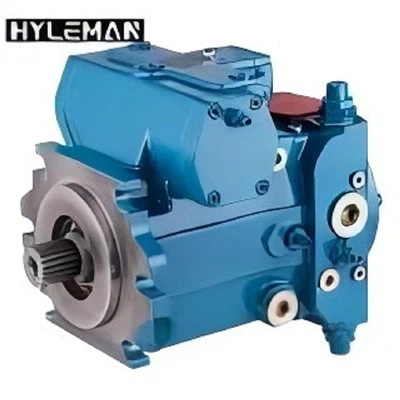
As a supplier of Vickers Piston Pumps, I understand the importance of proper maintenance to ensure the longevity and optimal performance of these high - quality hydraulic components. Vickers Piston Pumps are renowned for their reliability and efficiency in various industrial applications, but like any mechanical equipment, they require regular maintenance to function at their best.
1. Regular Inspection
The first step in maintaining a Vickers Piston Pump is regular inspection. This should be carried out at scheduled intervals, depending on the pump's usage and operating conditions. During the inspection, check the external appearance of the pump for any signs of damage, such as cracks, leaks, or excessive wear. Pay special attention to the seals and gaskets, as these are common areas where leaks can occur. A small leak can quickly escalate into a major problem, leading to loss of hydraulic fluid, reduced pump efficiency, and potential damage to other components in the hydraulic system.
Inspect the mounting bolts and connections to ensure they are tight. Loose bolts can cause vibration, which not only affects the pump's performance but also accelerates wear on internal components. Check the alignment of the pump with the motor or drive system. Misalignment can lead to increased stress on the pump shaft and bearings, resulting in premature failure.
2. Fluid Maintenance
Hydraulic fluid is the lifeblood of a Vickers Piston Pump. It provides lubrication, cooling, and transmits power within the hydraulic system. Therefore, maintaining the quality and quantity of the hydraulic fluid is crucial.
Fluid Level: Regularly check the fluid level in the reservoir. Low fluid levels can cause the pump to draw in air, which leads to cavitation. Cavitation is a phenomenon where vapor bubbles form in the fluid and collapse violently, causing damage to the pump's internal components, such as the pistons, valves, and cylinder block. If the fluid level is low, add the appropriate type of hydraulic fluid recommended by the manufacturer.
Fluid Quality: The quality of the hydraulic fluid degrades over time due to contamination, oxidation, and thermal breakdown. Contaminants such as dirt, metal particles, and water can cause abrasion and corrosion of the pump's internal components. Use a fluid analysis kit to regularly test the fluid for contaminants, viscosity, and water content. If the fluid is contaminated or has degraded beyond the acceptable limits, it should be replaced. Replace the hydraulic filters at the recommended intervals to prevent contaminants from entering the pump. A clogged filter can restrict the flow of fluid to the pump, leading to reduced performance and potential damage.
3. Component Lubrication
Proper lubrication is essential for the smooth operation of a Vickers Piston Pump. The pump's internal components, such as the pistons, bearings, and valves, rely on the hydraulic fluid for lubrication. However, in some cases, additional lubrication may be required for certain components.
Check the lubrication points specified in the pump's manual. For example, some pumps may have grease - lubricated bearings. Ensure that the bearings are properly greased at the recommended intervals. Use the correct type of grease as specified by the manufacturer. Over - greasing can also be a problem, as it can cause excessive heat buildup and damage to the bearings.
4. Temperature and Pressure Monitoring
Monitoring the temperature and pressure of the Vickers Piston Pump is an important part of maintenance. High operating temperatures can cause the hydraulic fluid to degrade more quickly, reduce the viscosity of the fluid, and damage the pump's seals and gaskets. Install a temperature sensor on the pump or in the hydraulic system to monitor the temperature. If the temperature exceeds the recommended operating range, check for potential causes such as excessive load, restricted fluid flow, or a malfunctioning cooling system.
Similarly, monitoring the pressure in the hydraulic system is crucial. Abnormal pressure fluctuations can indicate problems with the pump, such as a worn - out piston, a faulty valve, or a blockage in the system. Install a pressure gauge to monitor the system pressure. Compare the actual pressure readings with the recommended pressure settings specified in the pump's manual. If there are significant deviations, investigate the cause and take appropriate corrective actions.


5. Preventive Maintenance Schedule
Developing a preventive maintenance schedule is key to ensuring the long - term reliability of a Vickers Piston Pump. This schedule should include all the maintenance tasks mentioned above, such as inspections, fluid changes, filter replacements, and lubrication. The frequency of these tasks depends on factors such as the pump's operating hours, the type of application, and the environmental conditions.
For example, in a heavy - duty industrial application where the pump operates continuously, more frequent maintenance may be required compared to a light - duty application. Keep a detailed record of all maintenance activities, including the date, the tasks performed, and any observations or problems encountered. This record can be used to track the pump's performance over time, identify potential issues early, and plan for future maintenance.
6. Replacement of Worn - Out Components
Over time, some components of the Vickers Piston Pump will wear out and need to be replaced. Common components that may require replacement include the pistons, cylinder blocks, valves, and seals. It is important to use genuine Vickers replacement parts to ensure compatibility and optimal performance.
When replacing components, follow the manufacturer's instructions carefully. Proper installation is crucial to prevent leaks and ensure the correct operation of the pump. If you are unsure about how to replace a particular component, consult the pump's manual or contact the manufacturer's technical support team.
Related Products
In addition to Vickers Piston Pumps, we also offer a range of other high - quality hydraulic pumps. For example, you may be interested in our Gear Pump PV90r Charge Pump For Sauer Danfos, which is designed for specific applications and offers excellent performance. Another option is the A10vso Series A10vso18dfr1 A10vso - 18dfr1/31r - PPA12n00 Hydraulic Variable Pump 28dfr1 45dfr1 71dfr1 100dfr1 140dfr1, which provides variable flow and pressure control. We also have Rotary Piston Pump available for various industrial needs.
Conclusion
Proper maintenance of a Vickers Piston Pump is essential to ensure its long - term reliability, efficiency, and performance. By following the maintenance practices outlined in this blog, you can minimize downtime, reduce repair costs, and extend the lifespan of your pump. If you have any questions about Vickers Piston Pump maintenance or are interested in purchasing our products, please feel free to contact us for further discussion and procurement negotiations.
References
- Vickers Piston Pump User Manual
- Hydraulic System Maintenance Guidelines
- Industry Standards for Hydraulic Pump Maintenance