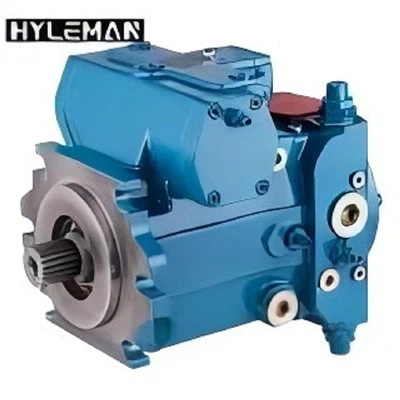
As a vane pump oil supplier, I've witnessed firsthand the critical role that high - quality oil plays in the optimal performance of vane pumps. Vane pumps are widely used in various industrial and mobile applications, such as the T6em0421L00 - B1/T6erm0501r00C42A1 Mobile Hydraulic Pumps and Industrial Denison Hydraulic Double Pumps Series T6 T7 T67. However, over time, the vane pump oil can deteriorate, leading to potential problems for the pump and the entire hydraulic system. In this blog, I'll share some common signs of bad vane pump oil.
1. Change in Color and Appearance
- Darkening of the Oil: One of the most visible signs of bad vane pump oil is a significant change in color. Fresh vane pump oil typically has a clear, light - colored appearance. As it ages and degrades, it starts to darken. This darkening is often due to the presence of contaminants, oxidation, or the breakdown of additives in the oil. For example, if the oil has been exposed to high temperatures for an extended period, the oxidation process can accelerate, causing the oil to turn brown or black. Oxidized oil loses its lubricating properties and can form sludge and varnish deposits in the pump.
- Cloudiness or Haze: Cloudy or hazy oil is another red flag. This could indicate the presence of water or fine particulate matter. Water can enter the hydraulic system through condensation, leaks, or improper storage. When water mixes with the oil, it can cause corrosion of pump components and reduce the oil's ability to lubricate. Fine particles, on the other hand, can come from wear and tear of the pump or from external sources. These particles can act as abrasives, causing premature wear of the vanes and other internal parts of the pump.
2. Changes in Viscosity
- Increased Viscosity: Viscosity is a measure of an oil's resistance to flow. As vane pump oil degrades, its viscosity can increase. This is often a result of oxidation, which causes the oil molecules to polymerize and form larger, more viscous structures. An increase in viscosity can make it difficult for the oil to flow through the pump and the hydraulic system. The pump may have to work harder to move the thick oil, leading to increased energy consumption and potential overheating. Additionally, the reduced flow of the thick oil can result in poor lubrication of the pump components, increasing the risk of wear and failure.
- Decreased Viscosity: Conversely, the viscosity of vane pump oil can also decrease. This can happen if the oil has been contaminated with a thinner fluid, such as fuel or a low - viscosity hydraulic fluid. A decrease in viscosity means that the oil may not be able to form a proper lubricating film between the moving parts of the pump. As a result, the metal - to - metal contact increases, leading to higher friction, wear, and potential damage to the pump.
3. Unusual Odor
- Burning Smell: A burning smell coming from the vane pump oil is a serious indication of a problem. This smell is often associated with overheating of the oil. Overheating can occur due to a variety of reasons, such as excessive load on the pump, a clogged filter, or a malfunctioning cooling system. When the oil reaches high temperatures, it can start to break down chemically, producing a foul, burning odor. This breakdown not only reduces the oil's lubricating properties but can also lead to the formation of harmful by - products that can damage the pump.
- Sour or Rotten Odor: A sour or rotten odor in the oil may indicate the presence of bacteria or fungi. These microorganisms can grow in the oil, especially if there is water present. The metabolic activities of these organisms can cause the oil to sour and produce unpleasant odors. In addition to the odor, the growth of bacteria and fungi can also lead to the formation of slime and biofilms, which can clog filters and restrict the flow of oil in the system.
4. Foaming
- Excessive Foaming: Foaming in vane pump oil is a common problem that can have serious consequences. Foam is formed when air is entrained in the oil. This can happen due to a variety of reasons, such as improper filling of the oil reservoir, a damaged seal that allows air to enter the system, or high - speed agitation of the oil. Excessive foaming can reduce the oil's ability to lubricate and transfer power. The foam can compress easily, which means that the pump may not be able to generate the required pressure. Additionally, the presence of foam can cause cavitation in the pump, which is the formation and collapse of vapor bubbles. Cavitation can lead to pitting and erosion of the pump components, reducing their lifespan.
5. Poor Pump Performance
- Noise and Vibration: If the vane pump starts to make unusual noises or vibrates more than normal, it could be a sign of bad oil. The lack of proper lubrication due to degraded oil can cause increased friction between the moving parts of the pump. This friction can result in knocking, rattling, or whining noises. Vibration can also occur as the pump struggles to operate smoothly. These noises and vibrations not only indicate a problem with the oil but can also lead to further damage to the pump if not addressed promptly.
- Reduced Pressure and Flow: Bad vane pump oil can also cause a reduction in the pressure and flow of the hydraulic system. As mentioned earlier, changes in viscosity, the presence of contaminants, or foaming can all affect the oil's ability to flow through the pump and the system. A decrease in pressure and flow can result in a loss of power and efficiency in the equipment that the pump is powering. For example, in a hydraulic press, reduced pressure and flow can lead to slower operation and less force being applied.
6. Increased Wear and Tear
- Visible Wear on Pump Components: When inspecting the vane pump, if you notice visible signs of wear on the vanes, rotors, or other internal components, it could be a result of bad oil. The lack of proper lubrication and the presence of abrasive particles in degraded oil can cause the surfaces of these components to wear down. This wear can lead to increased clearances between the parts, which can further affect the pump's performance. In severe cases, the wear can be so extensive that the pump may need to be replaced.
- Increased Frequency of Maintenance: If you find yourself performing maintenance on the vane pump more frequently than usual, it could be due to the poor quality of the oil. Bad oil can cause premature failure of seals, gaskets, and other components, requiring more frequent replacement. Additionally, the buildup of sludge and varnish in the pump can clog the internal passages, necessitating frequent cleaning and servicing.
As a vane pump oil supplier, I understand the importance of using high - quality oil to ensure the long - term performance and reliability of vane pumps. If you notice any of the above signs in your vane pump oil, it's crucial to take action immediately. This may involve draining and replacing the oil, checking and cleaning the filters, or inspecting the pump for any damage. If you're unsure about the condition of your vane pump oil or need advice on the best oil for your specific application, don't hesitate to contact us. We are here to provide you with the right products and solutions to keep your vane pumps running smoothly. We can also offer insights on related products such as Rexroth Directional Control Valves R900549534 that can enhance the overall performance of your hydraulic system.
Contact us today to discuss your vane pump oil requirements and start a procurement negotiation. We look forward to working with you to meet your hydraulic system needs.


References
- Hydraulic Systems and Components Handbook
- Vane Pump Manufacturer's Technical Documentation