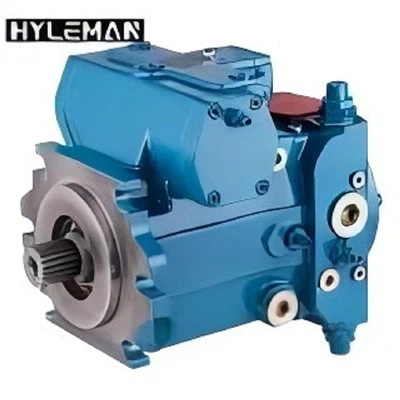
Hey there! As a piston pump supplier, I've seen firsthand how important it is to optimize the energy consumption of these pumps. Not only does it save money on energy bills, but it also makes your operations more sustainable. In this blog post, I'm going to share some tips on how to optimize the energy consumption of a piston pump.
Understand Your Piston Pump
Before you can start optimizing energy consumption, you need to understand how your piston pump works. Piston pumps are positive displacement pumps that use pistons to move fluid through the pump. They're commonly used in hydraulic systems, where they can generate high pressures.


There are different types of piston pumps, including axial piston pumps and radial piston pumps. Axial piston pumps are more common and are used in a wide range of applications, from industrial machinery to mobile equipment. Radial piston pumps, on the other hand, are typically used in high-pressure applications.
Choose the Right Pump for Your Application
One of the most important steps in optimizing energy consumption is choosing the right pump for your application. Using a pump that's too large for your needs can result in wasted energy, while using a pump that's too small can lead to inefficiencies and increased wear and tear.
When selecting a piston pump, consider factors such as the flow rate, pressure requirements, and the type of fluid you'll be pumping. You may also want to look at the pump's efficiency ratings, which can give you an idea of how much energy it will consume.
For example, the Hydraulic Piston Pump Rexroth A10vso Series A10vso45dfr1 31r-PPA12n00 is a popular choice for many applications. It offers high efficiency and reliability, making it a great option for optimizing energy consumption.
Maintain Your Pump Regularly
Regular maintenance is essential for keeping your piston pump running efficiently. Over time, wear and tear can cause the pump to lose efficiency, leading to increased energy consumption. By performing regular maintenance, you can identify and address any issues before they become major problems.
Some of the maintenance tasks you should perform on your piston pump include:
- Checking the fluid levels and quality regularly
- Inspecting the pump for leaks and damage
- Changing the filters and oil as recommended by the manufacturer
- Lubricating the moving parts to reduce friction
By keeping your pump in good condition, you can ensure that it operates at peak efficiency, which will help you save energy and money in the long run.
Optimize the Pump's Operating Conditions
Another way to optimize energy consumption is to optimize the pump's operating conditions. This includes adjusting the pump's speed, pressure, and flow rate to match the requirements of your application.
For example, if your application only requires a low flow rate, you can reduce the pump's speed to save energy. Similarly, if you can operate the pump at a lower pressure, you can reduce the amount of energy it consumes.
You may also want to consider using a variable speed drive (VSD) to control the pump's speed. A VSD allows you to adjust the pump's speed based on the actual demand, which can result in significant energy savings.
Use Energy-Efficient Components
In addition to choosing the right pump and optimizing its operating conditions, you can also use energy-efficient components to further reduce energy consumption. For example, using high-efficiency motors and pumps can help you save energy.
The Parker PV-Plus Series Hydraulic Pump Piston Pump is designed to be highly efficient, with features such as a low-friction design and a high volumetric efficiency. By using this pump, you can reduce the amount of energy it consumes and save money on your energy bills.
You may also want to consider using energy-efficient valves and fittings. These components can help to reduce pressure losses and improve the overall efficiency of your hydraulic system.
Monitor and Analyze Energy Consumption
Finally, it's important to monitor and analyze your pump's energy consumption regularly. By tracking your energy usage, you can identify any trends or patterns that may indicate a problem or an opportunity for improvement.
You can use a variety of tools and techniques to monitor energy consumption, including energy meters, data loggers, and software. These tools can help you to collect and analyze data on your pump's energy usage, allowing you to make informed decisions about how to optimize its performance.
Conclusion
Optimizing the energy consumption of a piston pump is essential for reducing costs and improving the sustainability of your operations. By choosing the right pump, performing regular maintenance, optimizing the operating conditions, using energy-efficient components, and monitoring energy consumption, you can ensure that your pump operates at peak efficiency.
If you're interested in learning more about how to optimize the energy consumption of your piston pump or if you're looking for a high-quality piston pump for your application, please don't hesitate to contact us. We're here to help you find the right solution for your needs.
References
- "Piston Pump Handbook" by Pump Industry Media
- "Energy Efficiency in Hydraulic Systems" by the Hydraulic Institute